Why Shaker Cabinets Remain a Smart Choice for Today’s Kitchens
100 Views
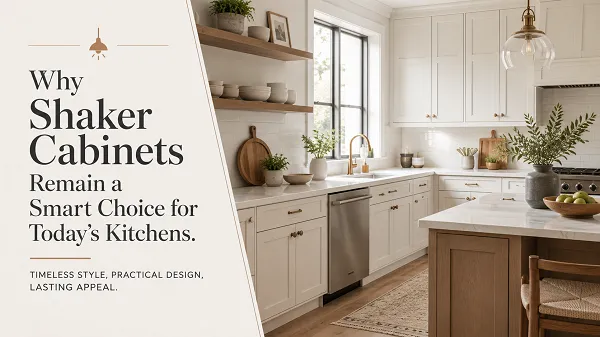
Kitchen design trends change regularly, yet some cabinet styles remain popular because they are simple enough to adapt. Shaker cabinets are a strong example. Their clean frame, balanced proportions, and limited decoration allow them to fit into traditional, transitional, farmhouse, and modern kitchens. We often see homeowners in Dublin, Columbus, Ohio choose Shaker cabinetry because it gives them flexibility with countertops, hardware, backsplash, flooring, and color. Instead of forcing the kitchen into one design category, the cabinet door creates a simple foundation that can change with the rest of the room.
What Defines the Shaker Cabinet Look?
The design of shaker style cabinets usually includes a recessed center panel surrounded by a simple frame. Therefore, the door has more depth than a flat-panel cabinet but less decoration than many raised-panel styles. This balance explains much of its popularity. The frame adds enough detail to keep a large cabinet wall from looking plain. However, the simple shape avoids the heavy ornament found in some traditional doors. As a result, homeowners can change the overall style through paint, stain, hardware, countertops, and lighting.
Key Takeaways
- Shaker cabinets offer a simple framed design that works with many kitchen styles and materials.
- Their appearance can change greatly through color, hardware, countertops, and backsplash choices.
- Good layout and installation matter just as much as the cabinet door style when creating a practical kitchen.
Why Shaker Cabinets Feel Timeless
A timeless design usually avoids extreme details. Shaker cabinets follow this principle because the door profile is simple and symmetrical. Therefore, they do not depend heavily on one short-term decorating trend. A white Shaker cabinet may feel bright and classic. Meanwhile, a natural wood version can feel warmer and more relaxed. Dark green or navy can create a dramatic look, while gray and beige can support a softer transitional style. Because the door shape remains simple, the surrounding finishes can change without making the cabinet feel out of place.
White Shaker Cabinets
White remains one of the most common choices because it reflects light and works with many countertop colors. However, the exact shade matters. A cool white may pair well with gray veining and stainless steel. Meanwhile, a warmer white can look better beside cream, brown, beige, or gold tones. Lighting can also change how the white appears. Therefore, cabinet samples should be viewed beside countertop samples in the actual kitchen whenever possible.
Wood Shaker Cabinets
Natural wood can make a kitchen feel warmer and more connected to other rooms. Oak, maple, and other wood tones can highlight grain while keeping the door profile simple. Wood Shaker cabinets also work well in kitchens that mix modern and traditional materials. For example, natural wood cabinets can pair with white quartz and black hardware for a clean contemporary look. Meanwhile, warmer stone and brass hardware can create a softer, more classic result.
Dark Shaker Cabinets
Dark cabinets can create strong visual impact. Navy, charcoal, black, and deep green are common choices when homeowners want more contrast. However, dark cabinetry absorbs more light. Therefore, the room needs enough natural and artificial lighting. In Dublin, Columbus, Ohio, homeowners should also consider how the kitchen looks during darker parts of the year. A cabinet color that appears balanced in bright showroom lighting may feel heavier in a room with limited daylight.
Choosing Countertops for Shaker Cabinets
The simple cabinet profile allows many countertop styles to work. A lightly veined surface can keep the kitchen calm and balanced. Meanwhile, a dramatic natural stone can become the main focal point. Because the cabinet doors already have a frame, it often helps to avoid creating too many additional lines in the room. For example, a very busy backsplash combined with dramatic stone and strong hardware may compete for attention. Therefore, one or two features should usually lead the design while the others provide support.
Hardware Changes the Personality
Shaker cabinets can look very different depending on the hardware. Black bar pulls create contrast and can make white cabinets feel more modern. Brushed nickel offers a quieter appearance. Brass and gold finishes add warmth. Meanwhile, simple knobs can create a more traditional feel. Hardware size also matters. Large pulls can become a visible design feature, while smaller handles keep more attention on the cabinet door itself.
How Shaker Cabinets Work With Islands
Kitchen islands provide an opportunity to add contrast without changing the cabinet style. For example, homeowners can use white Shaker cabinets around the room and choose blue or wood Shaker cabinetry for the island. This keeps the door profile consistent while adding visual interest. Likewise, a matching island can create a more uniform appearance. The choice depends on whether the homeowner wants the island to blend in or become a focal point.
Shaker Cabinets in Small Kitchens
Small kitchens often need storage without feeling visually crowded. Shaker cabinets can work well because the frame adds detail without becoming overly decorative. Light colors can make the room feel more open. In addition, tall cabinets can make better use of vertical space. However, too many contrasting finishes can make a small room feel fragmented. Therefore, keeping the cabinets, countertops, and backsplash within a controlled color palette can help.
Shaker Cabinets in Large Kitchens
Large kitchens have a different challenge. Long walls of cabinetry can feel flat if there is too little variation. Therefore, homeowners can combine upper and lower cabinet colors, add glass-front sections, use a contrasting island, or introduce wood accents. The simple Shaker door provides a consistent base while these features add interest. This approach can prevent a large room from feeling overly uniform.
Storage Planning Comes First
The cabinet door style affects appearance, but the interior layout determines daily function. Therefore, homeowners should plan storage early. Deep drawers can hold cookware. Tall cabinets can serve as pantries. Pullouts can improve access to narrow spaces. Meanwhile, drawer organizers can keep utensils and small items easier to find. Good cabinet planning should support the way the household cooks and cleans rather than forcing everyone to adapt to an inefficient layout.
Cleaning and Maintenance
Shaker doors include recessed edges, so they require slightly more cleaning than completely flat doors. However, the profile remains simple enough for routine care. A soft cloth can remove dust from the inner frame. Meanwhile, spills and grease should be wiped before they build up. The finish itself also affects maintenance. Matte surfaces may hide fingerprints better, while some glossy finishes can show marks more clearly. Therefore, cleaning habits should be considered when selecting paint and finish.
Local Cabinet Selection and Installation
When homeowners compare cabinets in Columbus Ohio, they should consider more than the door sample. Cabinet construction, layout, measurements, fillers, appliance clearances, hardware, and installation all affect the final result. A Shaker door can look clean and balanced only when the cabinet boxes are aligned properly. Uneven doors, inconsistent gaps, or poorly fitted trim can weaken the entire design. Therefore, careful installation remains important even with a simple cabinet style.
Are Shaker Cabinets Too Common?
Some homeowners worry that popularity makes Shaker cabinets less interesting. However, the same simple door can look completely different depending on the surrounding design. White cabinets with gray quartz create one look. Natural wood with dark stone creates another. Likewise, navy cabinets with brass hardware can feel very different from soft beige cabinets with nickel pulls. Therefore, the door style does not determine the entire kitchen. It simply provides a flexible framework.
Long-Term Design Flexibility
Kitchens often remain in place for many years. Therefore, flexible cabinet design can make future updates easier. Shaker cabinets can often adapt to a new wall color, lighting fixture, backsplash, faucet, or hardware finish. This flexibility can help homeowners refresh the room later without replacing the full cabinet system. For that reason, the style continues to appeal to both homeowners and designers.
Final Thoughts
Shaker cabinetry remains popular because it balances detail with simplicity. We recommend choosing the final cabinet color only after looking at countertops, flooring, backsplash, lighting, and hardware together. For homeowners in Dublin, Columbus, Ohio, Shaker cabinets can support many kitchen styles without making the room feel overly traditional or overly modern. Ultimately, the best kitchen combines the flexible door style with a practical layout, durable materials, careful installation, and finishes that fit the household’s daily life.