Why GE RTD Terminal Boards Matter in Industrial Monitoring
129 Views
Introduction
In industrial environments—particularly in turbine-based power generation—accurate temperature monitoring is essential for maintaining efficiency, safety, and equipment longevity. Resistance Temperature Detectors (RTDs) are widely used because of their precision and stability. However, the effectiveness of these sensors depends on how well they are connected to the control system. This is where GE RTD terminal boards become critical, serving as the interface between field instruments and control platforms.
What Are RTD Terminal Boards?
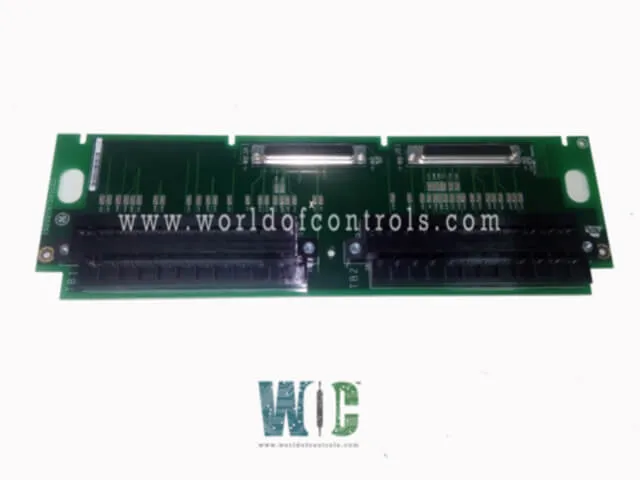
RTD terminal boards are specialized modules that connect multiple RTD sensors to a centralized control system. They organize incoming temperature signals and ensure that data is transmitted clearly and accurately.
In complex systems like turbines, where numerous sensors are deployed across different components, these boards simplify wiring and reduce the chances of signal loss or interference. They also make maintenance easier by providing a structured layout for sensor connections.
Why They Matter in Industrial Monitoring
Reliable industrial monitoring depends on consistent and precise data collection. GE RTD terminal boards play a key role in ensuring that temperature readings from critical equipment are accurately captured and transmitted in real time.
Their importance lies in several core functions:
- Signal Integrity: They preserve the accuracy of RTD measurements.
- Durability: Built to withstand harsh industrial conditions such as heat, vibration, and electrical noise.
- System Integration: They enable seamless communication between sensors and control systems.
Without these boards, even high-quality RTD sensors would struggle to deliver dependable performance.
Role in the Turbine Industry
Turbines operate under extreme thermal conditions, making temperature monitoring a top priority. Small deviations in temperature can signal inefficiencies or potential failures, which can be costly if not addressed early.
GE RTD terminal boards are widely used in turbine systems to monitor:
- Bearing temperatures to prevent overheating
- Generator winding temperatures for safe operation
- Inlet and exhaust temperatures for performance optimization
By delivering accurate and timely data, these boards help operators implement predictive maintenance strategies and avoid unexpected downtime.
How Advanced RTD Terminal Boards Enhance Monitoring
Modern GE RTD terminal boards are designed to support high-density sensor connections and integrate smoothly with advanced turbine control systems. They ensure that multiple RTD inputs can be processed efficiently without compromising data quality.
These boards act as a reliable communication bridge, allowing real-time temperature data to flow into control systems where it can be analyzed and used for automated decision-making. This capability is especially valuable in turbine operations, where rapid responses to temperature changes are essential.
Key Benefits
Using GE RTD terminal boards in industrial monitoring systems provides several advantages:
- Improved Safety: Early detection of abnormal temperatures helps prevent equipment damage.
- Operational Efficiency: Accurate data allows better control of system performance.
- Reduced Maintenance Costs: Predictive monitoring minimizes unplanned outages.
- Ease of Use: Organized connections simplify installation and troubleshooting.
Conclusion
GE RTD terminal boards are essential components in modern industrial monitoring, particularly within the turbine industry. They ensure that temperature data is accurate, reliable, and readily available for analysis.
By enabling effective communication between RTD sensors and control systems, these boards support safer operations, improved efficiency, and long-term equipment reliability. As industrial systems continue to evolve, the importance of robust and precise monitoring solutions like RTD terminal boards will only continue to grow.
Related Reading
Why Business & Finance is Transforming the Global Industry Landscape
Welcome to our in-depth exploration of Business & Finance. In an era defined...
Expert Insights: Navigating the Complex World of Business & Finance
Welcome to our in-depth exploration of Business & Finance. In an era defined...