Why Emergency Turbine Protection Boards Are Critical for Reliable Turbine Performance
67 Views
Introduction
Industrial turbines are among the most valuable assets in power generation, oil and gas, petrochemical, and manufacturing facilities. Their ability to operate continuously under demanding conditions depends on robust control and protection systems. Among these, emergency turbine protection boards play a pivotal role in ensuring safe, efficient, and reliable operation. By continuously monitoring critical operating parameters and initiating protective actions when abnormal conditions occur, these boards help prevent costly equipment failures and unplanned downtime.
As turbine technology continues to evolve, modern protection boards have become an integral part of advanced turbine control systems, providing faster response times, improved diagnostics, and enhanced operational safety.
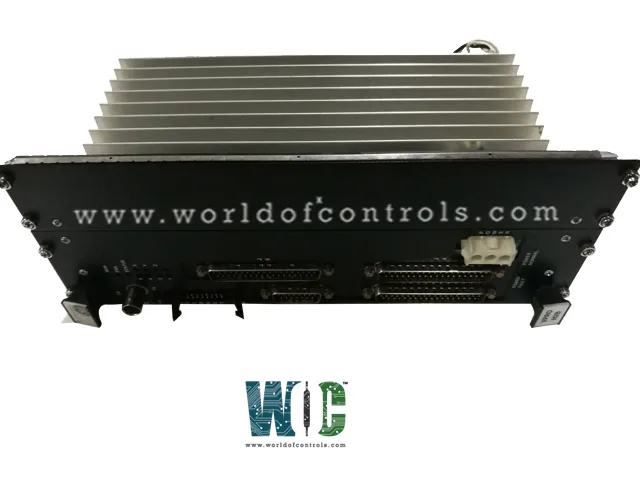
What Is an Emergency Turbine Protection Board?
An emergency turbine protection board is an electronic component within a turbine control system that monitors the turbine's operating condition in real time. It processes signals from various sensors and safety devices to identify abnormal events that could compromise turbine performance or safety.
Typical monitoring functions include:
- Turbine speed and overspeed conditions
- Temperature and pressure abnormalities
- Vibration levels
- Trip and shutdown signals
- System faults and control failures
When a potentially hazardous condition is detected, the protection board triggers predefined safety actions, such as initiating an emergency shutdown, to protect both equipment and personnel.
Why Emergency Turbine Protection Boards Matter
Protect Critical Equipment
Industrial turbines operate under high rotational speeds and extreme temperatures. Without a reliable protection system, even minor faults can escalate into significant mechanical damage. Emergency protection boards detect these issues early, reducing the risk of catastrophic failures.
Improve Operational Reliability
Unexpected shutdowns can disrupt production schedules and increase maintenance costs. By identifying faults before they become severe, protection boards contribute to stable turbine performance and improved plant availability.
Enhance Workplace Safety
Safety is a top priority in industrial environments. Emergency protection boards automatically respond to dangerous operating conditions, reducing risks to maintenance personnel and plant operators while helping maintain a safe working environment.
Reduce Maintenance Costs
Early fault detection minimizes secondary damage to expensive turbine components. This proactive approach allows maintenance teams to address issues before they require extensive repairs or component replacement.
Key Features of Modern Turbine Protection Boards
Today's emergency turbine protection boards incorporate advanced technologies that improve system performance and reliability.
Continuous Real-Time Monitoring
Modern boards continuously collect and process operational data, allowing rapid detection of abnormal conditions.
Fast Protective Response
High-speed processing enables immediate execution of protective actions, reducing the likelihood of equipment damage during emergency situations.
Advanced Diagnostic Capabilities
Built-in diagnostics help maintenance teams quickly identify faults, simplifying troubleshooting and reducing repair time.
Seamless System Integration
Emergency protection boards are designed to integrate with turbine control systems, enabling coordinated communication between monitoring, control, and shutdown functions.
Applications Across Industries
Emergency turbine protection boards are widely used in industries where turbine reliability is essential, including:
- Power generation plants
- Oil and gas facilities
- Petrochemical industries
- Refineries
- Combined-cycle power stations
- Heavy industrial manufacturing
In these environments, continuous monitoring and rapid protective response help maintain operational efficiency while minimizing safety risks.
Best Practices for Reliable Performance
Organizations can maximize the effectiveness of turbine protection systems by following several maintenance best practices:
- Conduct routine inspections of protection hardware.
- Perform scheduled functional testing of emergency shutdown systems.
- Monitor diagnostic alarms regularly.
- Update firmware and software where applicable.
- Replace aging or damaged components before failure occurs.
- Ensure compatibility when installing replacement control boards.
Preventive maintenance helps extend equipment life and reduces the likelihood of unexpected outages.
Conclusion
Emergency turbine protection boards are a critical component of modern turbine control systems. Their ability to monitor operating conditions, detect faults in real time, and initiate rapid protective actions helps safeguard valuable equipment while improving operational reliability and workplace safety.
As industries continue to demand greater efficiency and uptime, investing in reliable turbine protection technology remains essential. Combined with regular maintenance and proactive system monitoring, emergency turbine protection boards help ensure long-term turbine performance, reduced downtime, and lower lifecycle costs across a wide range of industrial applications.