What Great On-Page SEO Looks Like in 2026
By Abdus Salam
155 Views
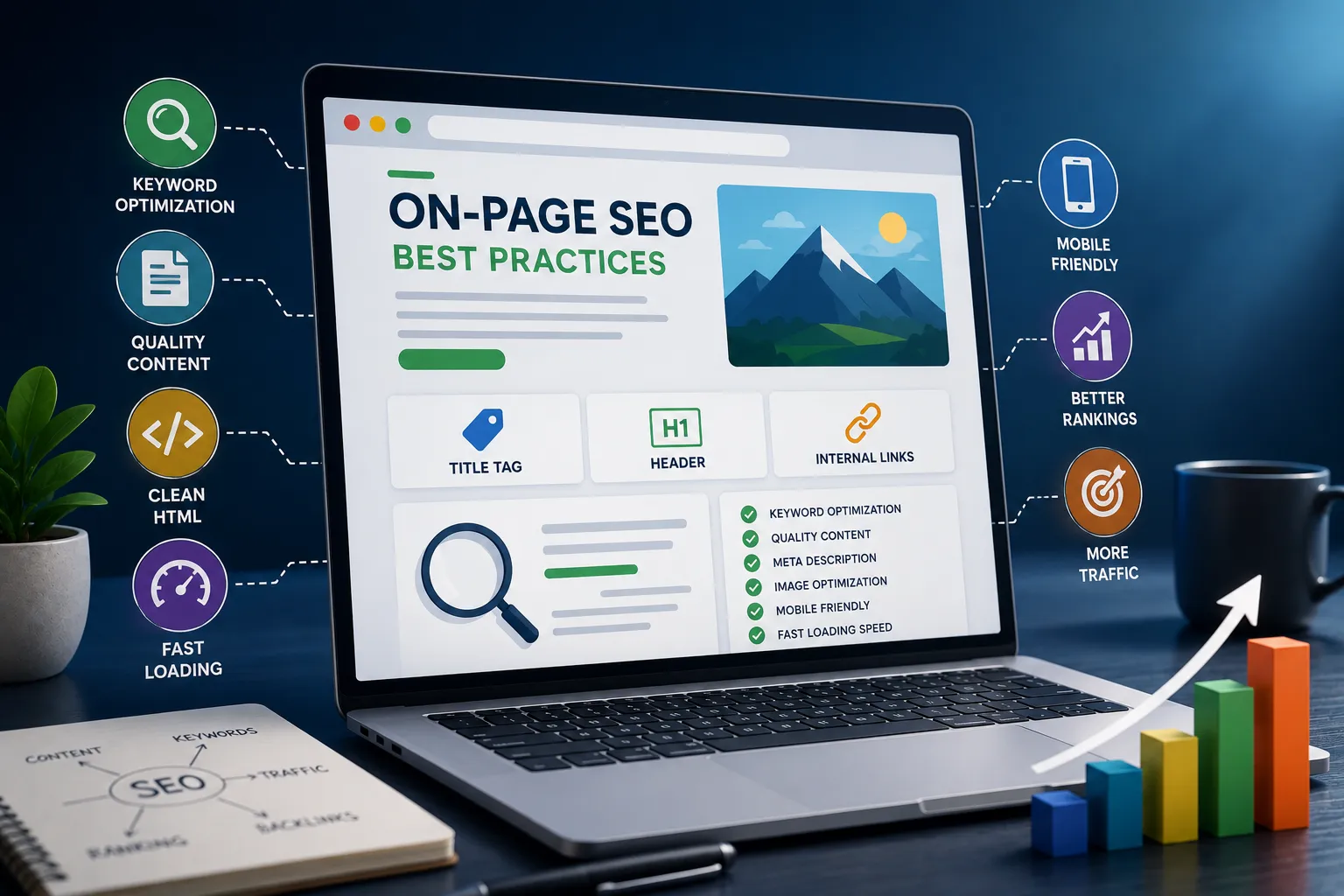
Ranking on Google is no longer about stuffing keywords into a page and hoping for the best. Those days are long gone. Search engines have become smarter, users have become less patient, and competition has become much tougher.
That’s why On-Page SEO matters more than ever in 2026. It’s not just about pleasing algorithms anymore. It’s about creating pages that are clear, useful, fast, and genuinely satisfying for real people.
Great on-page optimisation helps search engines understand your content while helping users trust and engage with it.
When both happen together, rankings often follow.
Why On-Page SEO Still Matters
Some people focus only on backlinks or paid traffic and overlook their actual website pages.
That’s a mistake.
Even strong backlinks can struggle to help weak pages. If your content is unclear, slow, poorly structured, or badly targeted, rankings become harder to achieve.
Strong On-Page SEO gives each page a better chance to perform by improving relevance and user experience.
That means better visibility, more clicks, and stronger long-term growth.
Great Titles Capture Clicks
Your page title often creates the first impression in search results.
A weak title may rank but still get ignored.
Strong titles usually feel:
- Clear
- Relevant
- Specific
- Compelling
- Trustworthy
They often match user intent rather than simply repeating keywords.
People click what feels useful.
That’s why titles remain one of the most valuable parts of modern On-Page SEO.
Search Intent Comes First
In 2026, matching intent matters more than forcing phrases into paragraphs.
Ask yourself:
- Does the page solve what users are searching for?
- Are they looking to learn, buy, compare, or contact?
- Does the content answer quickly?
- Is the next step obvious?
If a user searches “best running shoes” but lands on a category page with no guidance, frustration begins.
Great pages align content with intent from the start.
Structure Helps Users and Search Engines
Messy pages are hard to read and hard to understand.
Strong structure usually includes:
- Clear headings
- Short paragraphs
- Logical flow
- Bullet points
- Helpful subtopics
- Internal links
- Easy navigation
This helps visitors scan quickly while helping search engines interpret content better.
That’s why structure remains a major part of On-Page SEO success.
Content Must Feel Helpful, Not Manufactured
People can sense low-value content quickly.
Pages written only for search engines often feel robotic, repetitive, and thin.
Strong content feels natural. It answers real questions, explains clearly, and gives users confidence.
That’s one reason many businesses work with Brain Gig LLC when they want websites built for both users and performance.
Because helpful content tends to outperform forced content over time.
Keyword Use Has Become Smarter
Keywords still matter, but the approach has changed.
Instead of stuffing the same phrase repeatedly, great pages use natural relevance.
That means:
- Primary keyword in strategic places
- Related terms naturally included
- Topic depth
- Clear context
- Semantic relevance
Modern On-Page SEO rewards content that fully covers a topic rather than repeating one phrase endlessly.
Page Speed Is Part of SEO Now
Slow pages frustrate users and hurt performance.
Speed affects:
- Bounce rate
- Time on page
- Conversion rate
- Mobile usability
- User satisfaction
A fast page feels more trustworthy and professional.
That’s why many brands invest in professional SEO Website Optimization to improve technical performance alongside content quality.
Because rankings and user experience often move together.
Mobile Experience Can’t Be Ignored
Most searches now happen on phones.
If your page feels awkward on mobile, users leave quickly.
Common issues include:
- Tiny text
- Crowded layout
- Slow loading
- Hard-to-tap buttons
- Annoying pop-ups
Great On-Page SEO includes strong mobile usability because user satisfaction matters deeply.
Search engines notice when users bounce fast.
Internal Linking Builds Strength
Many websites ignore one of the easiest SEO wins.
Internal linking helps users discover more useful content while guiding search engines through your site.
Strong internal links can:
- Support topic relevance
- Spread authority
- Increase time on site
- Improve crawlability
- Help conversions
It’s simple, but powerful.
Meta Descriptions Still Influence Clicks
Meta descriptions may not directly rank pages strongly, but they still influence behaviour.
A persuasive description can improve click-through rate by making the result feel more relevant.
Think of it as ad copy for your organic listing.
That small difference can matter.
Images Need Optimisation Too
Images improve engagement, but poor image handling causes problems.
Optimised images should have:
- Proper file sizes
- Relevant alt text
- Fast loading
- Clear purpose
- Good quality
Heavy or irrelevant images can slow pages and weaken experience.
Common On-Page SEO Mistakes in 2026
Even ambitious websites still make avoidable mistakes.
Writing for Bots
Content should help people first.
Ignoring Search Intent
Wrong intent often means weak engagement.
Overusing Keywords
This feels unnatural and outdated.
Weak Headings
Poor structure reduces clarity.
Slow Mobile Pages
Still a major issue.
Signs Your Pages Need Better Optimisation
You may need improvements if:
- Rankings are stuck
- Traffic is flat
- Users leave quickly
- Pages rank low despite backlinks
- Conversion rates are weak
- Mobile engagement is poor
If several apply, page quality may be the missing piece.
What Great SEO Teams Understand
Strong SEO professionals know rankings come from alignment.
Content quality, technical strength, user experience, intent match, and clarity all need to work together.
That’s why great On-Page SEO is never just one trick.
It’s many small things done properly.
Conclusion
In 2026, search success belongs to pages that genuinely deserve attention. Fast, clear, useful, well-structured pages continue outperforming thin content and outdated tactics.
That’s what great On-Page SEO really looks like today.
If your traffic feels stuck, the answer may not be more backlinks or more content.
It may be improving the pages you already have.
Ready to turn underperforming pages into stronger search assets? This could be the right time.
FAQs
What is On-Page SEO?
It is the optimisation of website pages to improve rankings, relevance, and user experience.
Does On-Page SEO still matter in 2026?
Absolutely. It remains one of the most important parts of search performance.
How often should pages be optimised?
Regular reviews help keep pages competitive as search trends change.
Does page speed affect SEO?
Yes. Faster pages usually improve user experience and engagement.
Are keywords still important?
Yes, but natural relevance matters more than repetition.
What is the biggest On-Page SEO mistake?
Ignoring user intent while focusing only on keywords.