What Costs More in Cypress: Partial Dentures or Dental Fillings?
By Isa Bella
91 Views
When you need dental treatment, cost is often one of the first things you think about. You may wonder whether replacing missing teeth with partial dentures will cost more than repairing cavities with dental fillings.
In most cases, partial dentures cost more than a single filling. However, the comparison can change when several teeth need fillings or when extra services are required before a partial denture can be made.
The final price depends on the condition of your teeth, the materials used, your insurance coverage, and the treatment plan recommended by your dentist. This guide compares both options so you can understand where your money goes and what may affect your final dental bill.
The Quick Cost Comparison
A dental filling repairs one damaged tooth. A partial denture usually replaces one or more missing teeth. Since a partial denture requires a custom design, dental impressions or scans, laboratory work, and fitting visits, it normally costs more than one filling.
Without insurance, a dental filling may cost around $199 to $333, although the fee can change based on the cavity size, filling material, and tooth location.
The general cost of partial dentures may range from about $1,000 to $2,800 per arch, depending on the design and material.
These are broad estimates rather than fixed prices for every dental office in Cypress. A personal examination is needed before a dentist can provide an accurate quote.
Treatment
General Estimated Price
What It Does
One dental filling
$199–$333
Repairs one cavity
Several fillings
Varies by tooth
Repairs decay in multiple teeth
Partial denture
$1,000–$2,800 per arch
Replaces one or more missing teeth
Additional procedures
Varies
Prepares the mouth for treatment
Why Partial Dentures Usually Cost More
Partial dentures are custom dental appliances. They are not taken from a standard shelf and placed in the mouth. Your dentist must create a treatment plan based on your missing teeth, bite, gum shape, and remaining natural teeth.
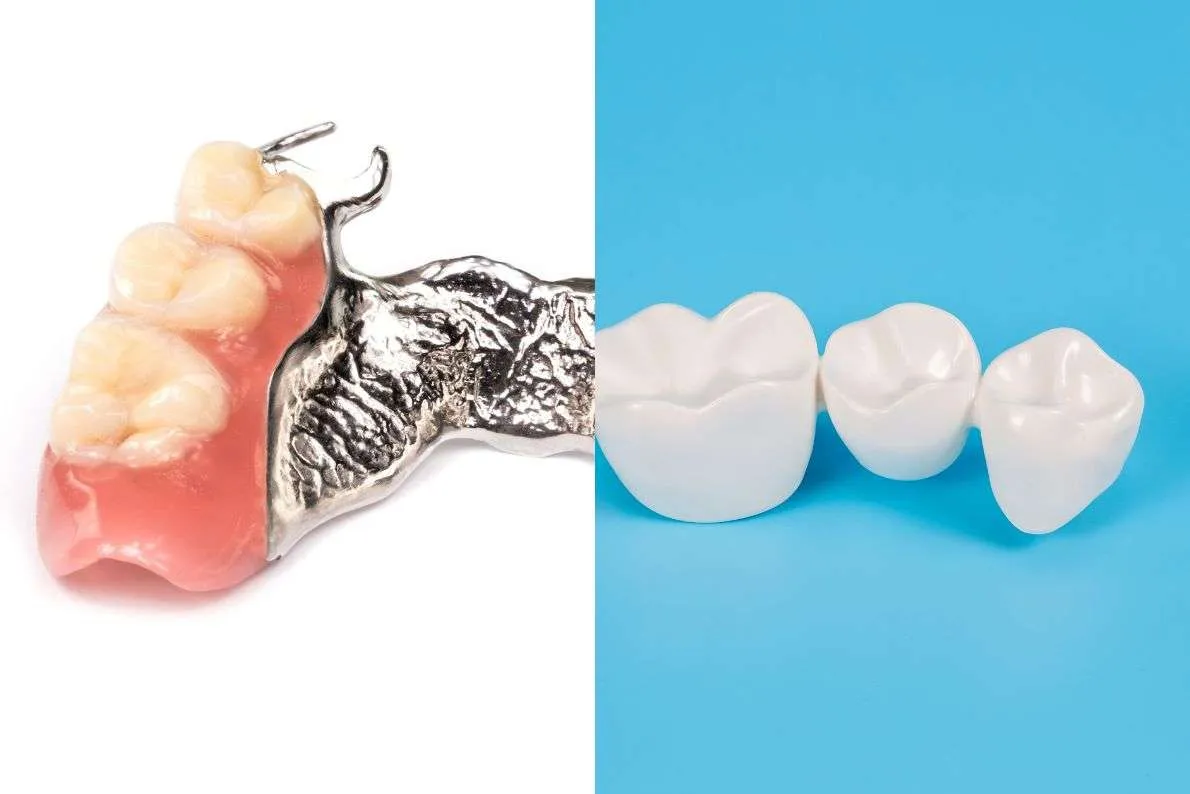
A removable partial denture usually includes artificial teeth attached to a gum-colored base. It may also have a metal frame, clasps, or less-visible connectors that hold it in place.
The process may require several steps:
- A complete dental examination
- X-rays or digital scans
- Impressions of the mouth
- Bite measurements
- Laboratory design and production
- Fitting and adjustment visits
- Future repairs or relining
Because more planning and materials are involved, the Partial Dentures cost in Cypress will normally be higher than the cost of repairing one small cavity.
Why Filling Prices Are Usually Lower
A filling is used to repair an area damaged by tooth decay. The dentist removes the decayed part, cleans the tooth, and fills the space with a dental material.
Many fillings can be completed during one visit. They do not normally require a dental laboratory or several fitting appointments. That is why a filling often costs less than a partial denture.
Still, filling prices are not all the same. A tiny cavity on one surface of a tooth may cost less than a large cavity covering several surfaces.
How Much Does a Filling Cost?
Patients often ask, How much does a filling cost? There is no single fee that applies to every cavity.
The final cost may depend on:
- The size and depth of the cavity
- The tooth that needs treatment
- The number of damaged surfaces
- The type of filling material
- Whether an old filling must be removed
- Whether X-rays or an exam are needed
- Your dental insurance benefits
The estimated tooth filling cost in Cypress may also increase if several teeth need treatment. For example, four fillings will naturally cost more than one. In that situation, the total price could move closer to or even pass the price of a basic partial denture.
Filling Material Can Change the Price
The type of filling material can make a noticeable difference in the final bill.
Tooth-Colored Composite Fillings
Composite fillings are made to match the color of natural teeth. Many patients prefer them because they are less noticeable when smiling or speaking.
They are commonly used on front and back teeth. However, they can cost more than basic silver-colored fillings because the material must be placed carefully.
Amalgam Fillings
Amalgam fillings have a silver appearance. They are strong and have been used for back teeth for many years.
They may cost less than some tooth-colored options. However, not every patient prefers their appearance, and not every dental office offers them.
Ceramic Restorations
Larger areas of damage may need a ceramic inlay, onlay, or another custom restoration. These options often cost more than standard fillings because they require different materials and more detailed work.
Partial Denture Material Also Matters
Just as filling materials affect price, the type of partial denture can change the cost.
Acrylic Partial Dentures
Acrylic partials usually have a plastic base. They are often among the more affordable choices and may be used as temporary or long-term replacements.
However, they can feel thicker than some other designs. They may also need adjustments as the mouth changes.
Metal Framework Partials
These partial dentures have a strong metal frame under the gum-colored material. They are often thinner and more durable than basic acrylic options.
Because of the stronger material and detailed laboratory work, they normally cost more.
Flexible Partial Dentures
Flexible partials are made from a softer material that can bend slightly. Many people like their natural appearance because they may not need visible metal clasps.
Still, they are not suitable for every mouth, and repair options may be limited if they become damaged.
When Several Fillings May Cost More
Although one filling is usually much cheaper than a partial denture, several fillings can change the comparison.
Imagine that a patient has cavities in five teeth. Each tooth may need a different amount of work. Some cavities may be small, while others may cover several surfaces.
The total cost may also include X-rays, an examination, numbing, and the replacement of old fillings. In a case like this, the complete filling bill could become higher than the cost of an entry-level partial denture.
That does not mean one treatment should be chosen over the other. Fillings and partial dentures solve different problems. A filling saves an existing tooth, while a partial denture replaces teeth that are already missing.
Extra Treatment Can Increase Denture Costs
The partial denture itself may not be the only expense. Some patients need dental work before the appliance can be made.
For example, badly damaged teeth may need extraction. Gum disease may need treatment first. Remaining teeth may need fillings or crowns so they can safely support the denture.
A temporary partial may also be needed while the gums heal. These added services can raise the final treatment cost.
That is why it is important to ask whether your estimate includes only the denture or the full treatment process.
How Dental Insurance May Help
Dental insurance may cover part of both treatments. However, fillings and partial dentures are often placed in different benefit groups.
Fillings are commonly treated as basic restorative care. A plan may pay a percentage after the deductible has been met.
Partial dentures are often treated as major dental care. The insurance company may cover a smaller percentage, and waiting periods or replacement limits may apply.
Your yearly maximum also matters. Even when a treatment is covered, the plan may stop paying after you reach its annual limit.
Ask the dental office for an insurance estimate before beginning treatment. Remember that the final payment decision comes from your insurance provider.
Which Treatment Gives Better Value?
It is difficult to compare value because these treatments do different jobs.
A filling offers good value when it repairs a tooth before the decay becomes worse. Treating a cavity early may help you avoid a crown, root canal, or extraction later.
A partial denture offers value when missing teeth make eating, speaking, or smiling difficult. It can fill visible gaps and may help prevent nearby teeth from moving into the empty spaces.
The better treatment is the one your mouth actually needs. Choosing a filling when a tooth can be repaired is usually better than removing it only to lower the immediate cost.
How to Prepare for the Final Bill
Before agreeing to treatment, request a written estimate. It should clearly show the recommended procedure, material, insurance estimate, and expected personal payment.
You should also ask:
- Are examinations and X-rays included?
- Will I need any extractions first?
- Which material is being recommended?
- Are follow-up denture adjustments included?
- Can treatment be divided into stages?
- Are financing or payment plans available?
Patients visiting Cypress Towne Dental can discuss both immediate needs and longer-term treatment costs before deciding how to move forward.
Final Answer: Which One Costs More?
In most Cypress cases, partial dentures cost more than a single dental filling. A filling often repairs one tooth during one visit, while partial dentures require custom design, laboratory work, and several appointments.
However, the total changes when a patient needs many fillings or extra work before receiving dentures. Insurance benefits can also make a major difference in the amount you pay yourself.
The safest approach is to get an examination and compare complete treatment estimates. Look at what each price includes rather than choosing only the lowest number.
FAQs
Are partial dentures always more expensive than fillings?
Partial dentures usually cost more than one filling because they require custom materials, laboratory work, and fitting visits. However, several large fillings may create a total bill that is similar to or higher than a basic partial denture.
Does insurance cover dentures and dental fillings?
Many dental plans provide some coverage for both treatments. Fillings may be treated as basic care, while partial dentures may be treated as major care. Deductibles, waiting periods, annual limits, and coverage percentages vary by plan.
Can I delay treatment to save money?
Delaying treatment may increase the final cost. A small cavity can grow and require a crown or root canal. Missing teeth may also affect chewing and allow nearby teeth to shift, making future care more involved.