What Are You Actually Paying For in a Denture Estimate?
By Sun Dental
36 Views
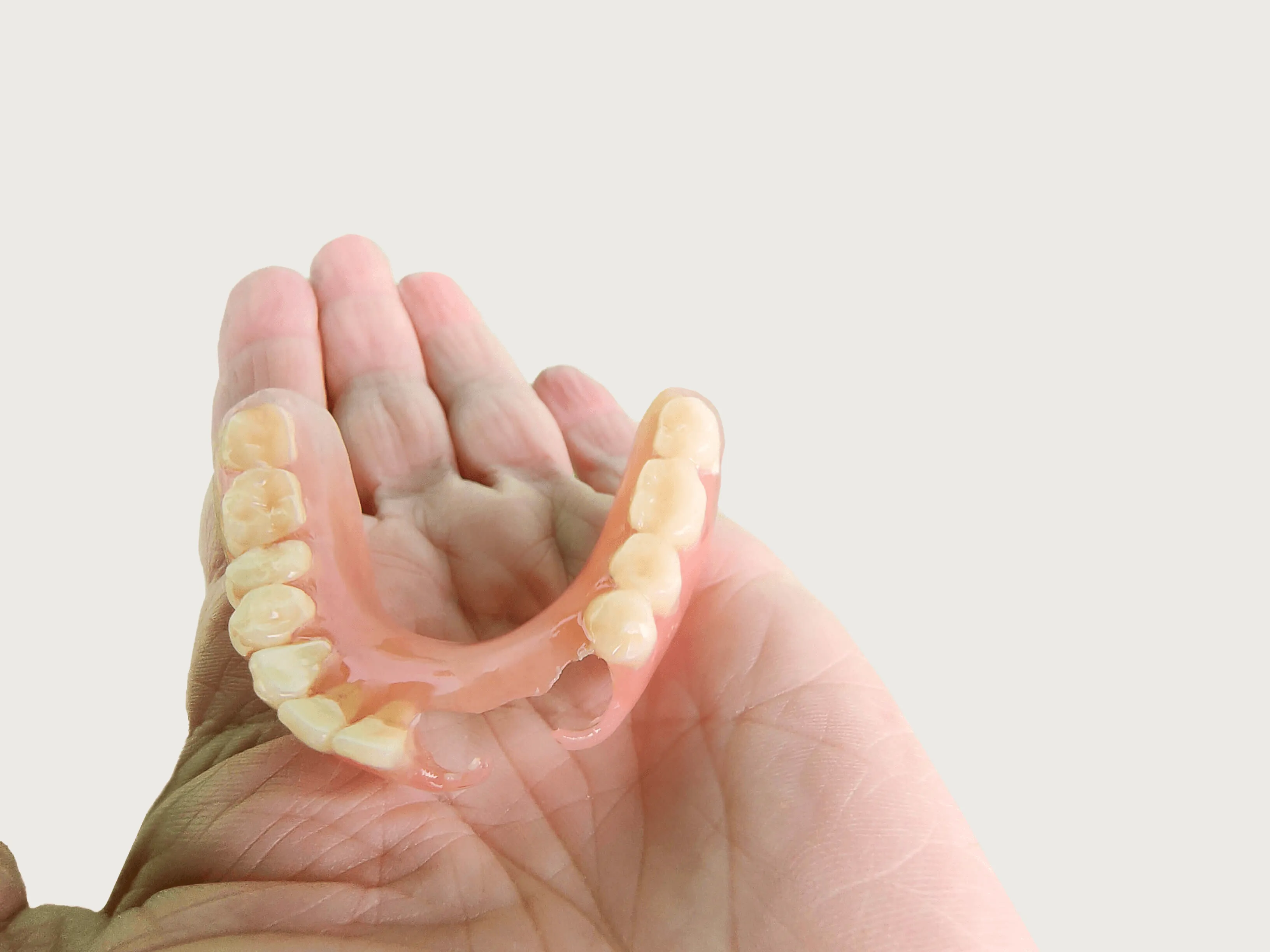
Two denture estimates can look very different even when both use the same name for the appliance. One may include fitting appointments and a set of adjustments. Another may list the appliance alone and price additional services separately. Before choosing a practice based on a quoted total, find out what each estimate is asking you to pay for.
If you are looking for affordable dentures in Toms River, begin with the proposed treatment and the time period the estimate covers. A price for an appliance tells you little about what will happen before it is made, how fit will be reviewed, or what support is available if the fit changes later.
This guide works through the estimate as a patient would read it. You can use the questions to compare like-for-like options, identify expenses that may arise later, and decide which parts of the financial discussion need clarification before you authorize treatment.
Read the Treatment Description Before the Price
Start at the top of the estimate. Find the name of the appliance, which arch it covers, and whether it replaces some or all teeth in that arch. If the wording is unfamiliar, ask the dentist to explain it using a drawing or model. A label such as “upper denture” needs enough detail to identify what you are buying. The practice provides more information about restorative dentistry options.
Also check whether the proposal describes a removable appliance or an implant-related restoration. Some dentures receive support or retention from implants, and those plans may involve other components and procedures. Ask the clinician to explain the complete restoration and which parts are covered by the amount you see.
When two recommendations describe different designs, compare the reasons behind them before comparing prices. The number and condition of remaining teeth, the kind of support available, and your goals may lead to different plans. Ask which differences reflect clinical needs and which represent choices you can discuss further.
Identify Every Charge That Comes Before the Appliance
An initial assessment may be necessary before the dentist can make a recommendation. Ask which exam, records, or imaging fees apply, and whether they are part of the estimate. If you already have relevant records, ask whether the practice wants them sent in advance and whether it expects to need additional information.
Some patients also require other treatment before fitting. Ask the dentist to explain the purpose of that care and whether it is priced separately. For example, a recommendation involving extractions can make a quote substantially different from an estimate that assumes the mouth is ready for a new appliance.
If you will receive care from more than one provider, request a clear division of responsibilities. Confirm who provides each service and which office will bill for it. An estimate from one practice might describe only its part of the plan, leaving other charges to be explained by the provider responsible for those visits.
Find Out What the Fitting Fee Includes
Ask how many appointments the current plan anticipates and what happens at each stage. One visit may be for records, another for reviewing the proposed appliance, and another for delivery. The sequence depends on the design and treatment plan. You should know which of those visits are included in the quote.
Discuss when you can raise concerns about how the denture looks, fits, or feels. Ask how the practice handles changes requested before delivery and whether extra visits or revisions could affect the price. This helps you understand which decisions need to be made early and what room remains for feedback later.
A fitting fee should also be clear about the practical guidance you will receive. Ask whether the team will show you how to insert, remove, clean, and store the appliance. Written instructions can be helpful if someone at home will assist you or if the appointment involves a lot of information at once.
Give Adjustments and Repairs Their Own Line in the Budget
Denture fit can change over time. The ADA notes that dentures may need professional review and that relining or replacement may be appropriate when the mouth or appliance changes. Ask what the practice includes after the fitting and which changes may require a new estimate.
An adjustment after delivery and a repair after an accident may be handled differently. Find out whether there is a time window for included fit reviews and how the office prices services outside it. If a repair must go to a laboratory, ask who arranges that work and how the practice will communicate the expected timing.
For patients looking for dentures near Manchester, NJ, travel can add another practical cost. A lower quote may require visits that are harder to attend, especially if you rely on someone else for transport. Compare the number, purpose, and location of the expected appointments before deciding which plan fits your budget and schedule.
Ask How Insurance and Payment Options Apply to Your Plan
A practice can help estimate how your insurance might apply, but confirm coverage with the insurer. Ask how the plan handles the proposed type of denture, whether any eligibility rules affect replacement, and whether prior authorization is required. Keep the written estimate and note which amounts still depend on the insurer’s decision.
Ask which charges are due at each appointment. A deposit, a lab fee, and a balance due at delivery may appear at different points in the schedule. Understanding the timing can be as helpful as knowing the total, particularly if a second provider is involved or your treatment is spread across several months.
If you are considering financing, compare the full repayment amount and when payments begin. Ask what happens if treatment changes or a service is canceled. This conversation belongs alongside the clinical plan because the payment terms should match what you are actually agreeing to receive and when you expect to receive it.
Make a Side-by-Side Comparison You Can Use
Set the estimates next to each other and list what is included at each stage. Use the same categories for each practice so a broad package name does not hide differences. If a line is unclear, contact the provider and write down the answer instead of filling the gap with an assumption.
Estimate category
What to record
Appliance
Type, arch, and whether it is the initial or long-term appliance
Preparation
Examinations, records, imaging, and any treatment needed first
Fitting
Expected appointments and the visits included in the price
Adjustments
Included reviews, time limits, and separate charges
Future work
How repairs, relines, or replacement would be estimated
Payment
Due dates, estimated coverage, and remaining uncertainty
If one practice recommends a different treatment, keep the recommendations in separate columns and describe the clinical reason. It may be more useful to compare how each approach addresses your priorities than to calculate the difference between two prices for different work. Bring the table back to the clinician if you need help understanding a distinction.
Make Follow-Up Access Part of the Decision
Finding a trusted denture dentist involves practical questions about what happens after delivery. Ask how the practice schedules fit reviews, who answers concerns about a broken component, and whether patients see the same team for follow-up. The answers matter most when you are trying to solve a problem while keeping up with everyday responsibilities.
If you are comparing professional denture services, notice whether the team can explain the estimate without pressuring you to make a quick decision. You should feel comfortable asking what is included and requesting an updated estimate if the proposed treatment changes. Clear written details make it easier to review a plan with a family member or caregiver.
Ask the practice to explain which decisions you need to make now and which can wait until the next assessment. For example, you may need to approve an initial appliance while a later reline depends on how the mouth changes. That distinction helps you plan for likely expenses while recognizing that some charges cannot be confirmed in advance.
If you discuss the estimate by phone, request an updated written version once the questions are resolved. Mark the date of each version and keep the one you actually approved. That makes later billing conversations easier, especially when family members help with payments or more than one office provides part of the care.
Final Thoughts
A denture estimate is most useful when it shows what will happen before fitting, what support is included afterward, and which future services may cost extra. If you are comparing dentures in Toms River, bring your questions to Sun Dental and review the practice’s restorative dental services. Ask for a written plan tied to your assessment so you can compare the actual treatment, payment schedule, and follow-up arrangements. Bring the current estimate to the discussion and ask the team to mark any costs that depend on the outcome of a later visit.
Frequently Asked Questions
Does the price of a denture include all future adjustments?
That depends on the written terms. Ask which fit reviews are included, whether there is a time limit, and how the practice prices adjustments or relines needed after the included period has ended.
Why might the dentist give me an estimate instead of a final total?
Some stages depend on the examination, healing, or fit. Ask which fees are confirmed now, which could change, and when the office will review the plan with you before performing additional paid work.
Can I compare a quote from another practice at my appointment?
Yes. Bring the written estimate and ask the dentist to explain how the proposed services compare. The most useful discussion identifies differences in appliance type, preparation, fitting, and aftercare rather than price alone.