Transformed Landscaping Co.: Landscape Installation in Austin for a Well-Planned Outdoor Space
By Howard Steve
29 Views
A successful outdoor transformation begins long before the first plant goes into the ground. The condition of the property, the placement of garden beds, the choice of materials, and the way different features connect can all influence the final result. When these details are planned carefully, a yard can become more attractive, easier to navigate, and better suited to everyday use.
Transformed Landscaping Co. helps homeowners turn outdoor ideas into coordinated landscape improvements. Professional Landscape Installation in Austin involves more than adding flowers or laying decorative stone; it requires a practical plan that considers the property's layout, local climate, drainage, and long-term maintenance. By approaching each stage with a clear purpose, homeowners can create an outdoor environment that reflects their preferences while making better use of the available space.
Start With the Conditions Already Present on the Property
Before choosing new features, it is important to understand what the existing yard offers. Some properties have mature trees worth preserving, while others contain uneven ground, worn planting areas, or sections that receive little use. Identifying these conditions helps determine which improvements are necessary and which existing features can remain part of the design.
A site assessment should consider sunlight, soil conditions, slopes, access points, and areas where water tends to collect. These factors influence plant selection, material placement, and the preparation required before installation begins. For example, a sunny section near a driveway may need different plants from a shaded area beside the house.
Homeowners should also think about how they currently use the property. A family may want more open space for activities, while another household may prefer defined garden areas and a comfortable patio. Understanding these priorities helps prevent unnecessary additions and keeps the project focused on practical improvements.
Prepare the Ground Before Installing New Features
Ground preparation is one of the most important parts of a landscaping project, even though much of this work becomes invisible once the installation is complete. Depending on the property's condition, preparation may involve removing unwanted vegetation, clearing debris, adjusting soil, establishing suitable grades, or preparing a stable base for hardscape features.
Skipping necessary preparation can create problems later. Poorly prepared ground may contribute to uneven surfaces, unstable borders, or planting beds that do not perform as expected. The correct approach depends on the soil, intended use, materials, and site conditions rather than following the same process for every yard.
Drainage deserves particular attention. Water should move away from vulnerable areas instead of collecting near the foundation or washing soil out of garden beds. Before making grading changes, homeowners should understand the existing drainage pattern and consider whether professional assessment is needed. Thoughtful preparation helps establish a sound foundation for the visible elements that follow.
Coordinate Plants With Hardscape Materials
Plants and hardscape features should work together instead of competing for attention. Patios, walkways, retaining walls, steps, garden borders, and planting beds each serve a different purpose, but their placement affects how the entire property feels and functions.
For instance, a pathway leading to a seating area should have a clear destination. Planting beds can soften the edges of the path, while a consistent border material may help connect it with nearby outdoor features. A patio can feel more integrated when its surrounding plants complement the surface's color and texture.
Transformed Landscaping Co. lists hardscaping, landscaping, and outdoor carpentry among its services, allowing homeowners to consider several related elements as part of a coordinated project. This is particularly useful when a yard needs more than one type of improvement.
During Landscape Installation in Austin, material choices should account for appearance as well as practical use. Surfaces exposed to strong sunlight, frequently used walkways, and areas subject to runoff may have different requirements. Selecting appropriate materials at the planning stage can help create a landscape that feels unified rather than assembled from unrelated pieces.
Select Plants That Suit Austin's Growing Conditions
A planting plan should reflect the conditions in which the plants will grow. Austin's hot summers and variable rainfall make it useful to consider sunlight exposure, water requirements, soil drainage, and a plant's expected mature size before purchasing vegetation.
Native and climate-adapted plants may be suitable options for many properties, although the right choice still depends on the individual location. A plant that thrives in direct sunlight may struggle in a shaded bed, while a variety that needs consistently moist soil may not be appropriate for a dry, exposed area.
Plant height and growth patterns also matter. Small plants placed too close together may eventually become crowded, while larger shrubs can obstruct paths or windows if their mature size is overlooked. A balanced arrangement combines different heights, textures, and seasonal characteristics without making the yard difficult to maintain.
Homeowners can also decide where greenery should provide a focal point and where simpler planting would work better. A carefully selected tree near an open lawn, for example, can provide visual interest without filling every available space with vegetation.
Make Irrigation Part of the Installation Plan
Watering requirements should be considered before a new landscape is complete. Newly installed plants generally need appropriate establishment care, and irrigation needs can vary depending on the species, soil, weather, and amount of sunlight an area receives.
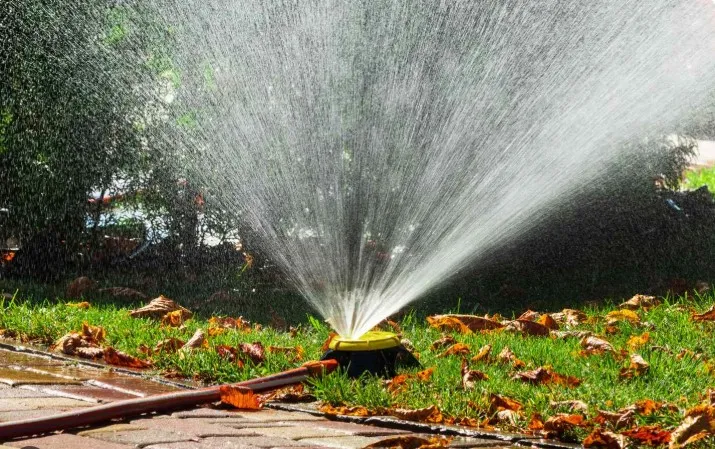
A well-planned irrigation system should deliver water where it is needed without routinely soaking areas that require less moisture. Grouping plants with similar water requirements can make watering easier to manage. Homeowners should also check whether sprinklers cover planting beds appropriately and whether water is being wasted on paving or other unnecessary areas.
Transformed Landscaping Co. includes irrigation and xeriscaping among its listed services. These options may be relevant for homeowners who want to combine attractive planting with more considered water use.
The goal of Landscape Installation in Austin should not be to create a landscape that depends on constant attention to remain healthy. Instead, suitable plants, practical irrigation planning, and proper installation can help establish an outdoor space that is easier to care for over time. Actual water use will depend on the finished design, weather, and maintenance practices.
Review the Details That Make the Space Feel Complete
Once major features are installed, smaller details help bring the landscape together. Clean transitions between lawn and planting beds, properly finished edges, consistent materials, and carefully positioned plants can make a noticeable difference to the overall appearance.
Access should also be checked. Paths need to connect useful areas, steps should be suitable for their intended purpose, and planting should not obstruct gates or regular walking routes. If outdoor lighting is included in the project, fixture placement should support visibility and complement the landscape rather than create unnecessary glare.
It is worth reviewing how the finished space looks from different viewpoints. The front entrance, windows overlooking the garden, and transitions between the house and backyard can reveal areas that need adjustment. A landscape should feel coherent from more than one angle, not just from a single viewpoint.
These finishing considerations may appear minor compared with installing a patio or preparing the ground, but they help determine whether the separate components feel like one complete design.
Plan the Project Around Priorities and Budget
Landscaping projects can involve several interconnected decisions, so establishing priorities early helps keep the work manageable. Homeowners can separate essential improvements from features that would be desirable but are not immediately necessary.
For example, resolving a drainage concern or creating a safe, usable pathway may take priority over adding decorative elements. In another property, improving a worn entrance or establishing healthy planting beds may provide the most meaningful change.
A project estimate should clarify the proposed scope, materials, preparation requirements, installation stages, and any expected follow-up care. Homeowners should ask questions about elements that are unclear and discuss potential changes before work progresses. This helps reduce confusion when decisions affect other parts of the installation.
Transformed Landscaping Co. offers landscape design options, including 2D and 3D planning, which can help homeowners visualize proposed layouts before installation begins. Reviewing a design in advance can make it easier to discuss placement, proportions, and material choices before the physical work starts.
Choose a Landscaping Approach That Fits Your Property
Every property has its own opportunities and limitations. A compact yard may benefit from a simple arrangement with carefully defined planting areas, while a larger space may allow for separate zones for gardening, relaxation, and outdoor gatherings. The best plan is one that responds to the property rather than forcing it into a standard layout.
Homeowners considering Landscape Installation in Austin can begin by listing their goals, noting existing site conditions, and identifying the features they use most often. Sharing these details during a consultation helps establish a realistic direction for the project.
Transformed Landscaping Co. provides landscaping and related outdoor services designed around property needs and homeowner preferences. By bringing design decisions, preparation, material selection, planting, and finishing together, a landscaping project can develop into a more functional and visually consistent outdoor environment.
Conclusion
A well-installed landscape is the result of many connected decisions. Assessing the site, preparing the ground, coordinating hardscape materials, selecting suitable plants, planning irrigation, and checking finishing details all contribute to the final outcome. Paying attention to these stages can help homeowners avoid preventable problems and make better use of their outdoor spaces.
Transformed Landscaping Co. can help homeowners explore options that suit their property's layout, practical needs, and personal style. With thoughtful planning and careful execution, Landscape Installation in Austin can turn an underused yard into a welcoming outdoor space designed for everyday enjoyment and ongoing care.