Top Electrical Engineering Design Services Companies in the UK
By warishaseo
22 Views
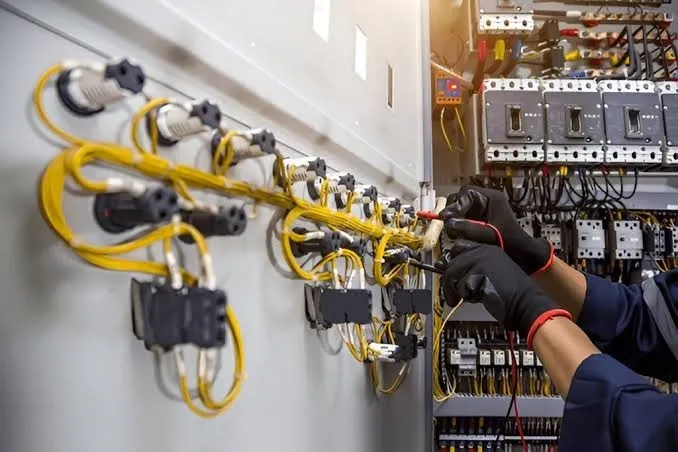
Electrical engineering is essential to the way modern businesses operate. Commercial buildings, factories, warehouses, hospitals and infrastructure projects all depend on safe and reliable electrical systems. From power distribution and lighting to industrial equipment and renewable energy, every installation needs a design that meets its technical and operational requirements.
Choosing the right electrical engineering design services company can help businesses avoid costly mistakes, improve electrical safety and manage energy use. Professional engineers assess power requirements, prepare technical drawings, select suitable equipment and ensure that installations meet relevant UK standards. Their work also helps contractors complete projects with fewer design issues.
The UK has several established engineering consultancies that provide electrical design, building services, power engineering and infrastructure solutions. However, each company has different areas of expertise. Some focus on large infrastructure projects, while others provide specialist support for commercial buildings and industrial facilities.
This guide explores the top electrical engineering design services companies in the UK, the solutions they offer and the factors businesses should consider before choosing an engineering partner.
What Are Electrical Engineering Design Services?
Electrical engineering design services involve the planning, development and technical assessment of electrical systems. These services help businesses create installations that can meet their power requirements, operate safely and support long-term use.
An electrical design team reviews the project requirements before preparing technical drawings, calculations and specifications. These documents explain how the electrical system should be installed and how different components should work together.
Common services include:
- Electrical power distribution design.
- Lighting and emergency lighting design.
- Electrical load calculations.
- Cable sizing and selection.
- Earthing and bonding design.
- Electrical protection studies.
- Switchgear and distribution board design.
- Renewable energy integration.
- EV charging infrastructure design.
- Energy management and monitoring.
The scope depends on the building and the nature of the project. For example, a commercial office may need lighting and power distribution design, while a factory may require motor control systems and complex protection studies.
Top 10 Electrical Engineering Design Services Companies in the UK
The UK engineering market includes several companies with experience in electrical systems, infrastructure, energy and building services. The following list highlights established firms that businesses can research when looking for engineering support.
This is an editorial selection, not an independently verified ranking based on revenue, customer satisfaction or project performance. Not every company listed specialises exclusively in electrical design.
1. Arup
Arup is one of the recognised names in the UK engineering and design sector. The company works across buildings, transport, energy and infrastructure.
Its multidisciplinary teams support projects that require coordinated engineering solutions. Electrical engineering forms part of its wider building and infrastructure capabilities.
Arup is worth considering for large commercial developments, complex buildings and infrastructure projects that require several engineering disciplines.
Key areas of work:
- Building services engineering.
- Electrical systems design.
- Energy and infrastructure projects.
- Sustainable building solutions.
- Technical engineering assessments.
2. WSP
WSP provides engineering and professional consultancy services across buildings, transport, energy and infrastructure.
Its UK teams work on building services, electrical systems and sustainable developments. The company supports projects where electrical design must work alongside mechanical, structural and other engineering requirements.
WSP may be suitable for businesses planning large commercial properties, residential developments and infrastructure schemes.
Key areas of work:
- Electrical building services.
- Infrastructure engineering.
- Energy consultancy.
- Sustainable design.
- Project engineering.
3. AtkinsRéalis
AtkinsRéalis provides engineering, design and project management services across several industries.
The company works on infrastructure, energy, transport and building projects. Its engineering teams support developments that require technical assessments, coordinated designs and project planning.
Its experience in major infrastructure programmes makes it a potential choice for organisations managing complex engineering projects.
Key areas of work:
- Infrastructure engineering.
- Energy systems.
- Technical design.
- Engineering consultancy.
- Project management.
4. Jacobs
Jacobs provides engineering and technical consultancy services across infrastructure, energy, water and industrial markets.
Its multidisciplinary teams work on projects where electrical systems must integrate with wider engineering requirements. This can include infrastructure developments, industrial facilities and complex public-sector projects.
Jacobs is an option for organisations that need engineering support across several technical areas.
Key areas of work:
- Infrastructure engineering.
- Energy projects.
- Industrial engineering.
- Technical consultancy.
- Project delivery.
5. Mott MacDonald
Mott MacDonald has a strong presence in the UK engineering sector. It works across transport, energy, buildings and infrastructure.
Its engineering capabilities support projects that require power system planning, technical assessments and coordinated design.
The company also works on sustainable infrastructure and energy transition projects, making it relevant to organisations planning long-term energy improvements.
Key areas of work:
- Electrical engineering.
- Energy infrastructure.
- Building services.
- Transport engineering.
- Sustainable development.
6. Bechtel
Bechtel is known for large engineering, construction and project management programmes.
Its work covers energy, industrial facilities and infrastructure. Electrical systems are an important part of many of its projects, particularly where power distribution, control systems and large equipment installations require careful planning.
Bechtel may be relevant to businesses involved in major industrial and infrastructure developments.
Key areas of work:
- Industrial engineering.
- Energy infrastructure.
- Electrical systems integration.
- Construction engineering.
- Project management.
7. Turner & Townsend
Turner & Townsend provides project management, cost management and advisory services.
Its main focus is project and programme management rather than specialist electrical design alone. However, its services can support the planning and coordination of engineering packages within large construction projects.
Businesses may consider Turner & Townsend when they need project controls alongside specialist electrical design consultants.
Key areas of work:
- Project management.
- Cost management.
- Construction consultancy.
- Infrastructure programmes.
- Project controls.
8. Ricardo
Ricardo provides engineering and environmental consultancy services across transport, energy and industrial markets.
Its work includes energy systems, technology assessments and sustainability-related engineering. This makes the company relevant to projects involving electrification, energy efficiency and lower-carbon technologies.
Businesses exploring new energy solutions may find its technical expertise useful.
Key areas of work:
- Energy systems.
- Engineering consultancy.
- Environmental assessments.
- Sustainable technology.
- Transport engineering.
9. Amey
Amey works across transport, infrastructure and public services.
Its engineering and asset management capabilities support the operation and development of essential infrastructure. Electrical systems play an important role in many of these environments, particularly transport facilities and infrastructure assets.
Amey may suit organisations looking for wider engineering and infrastructure support.
Key areas of work:
- Infrastructure engineering.
- Transport systems.
- Asset management.
- Technical services.
- Infrastructure maintenance.
10. Almens Consult
Almens Consult provides engineering consultancy and technical support for businesses seeking practical electrical solutions.
Its main service areas include power design, energy management and safety compliance. The company focuses on understanding project requirements and helping clients identify suitable technical solutions.
Almens Consult is worth considering for businesses planning electrical upgrades, reviewing energy performance or seeking support with electrical engineering requirements.
Key areas of work:
- Power design.
- Energy management.
- Electrical safety compliance.
- Engineering consultancy.
- Technical project support.
Main Electrical Engineering Design Services Offered by UK Companies
Different projects need different types of electrical engineering support. Understanding the main services can help businesses decide what their installations require.
1. Electrical Power Distribution Design
Power distribution design determines how electricity moves from the main supply to different areas of a building or facility.
Engineers plan distribution boards, switchgear, transformers and cable routes. They also assess expected demand and select suitable equipment.
A good design should support current operations and allow for future expansion. This is important for factories, offices, warehouses and large commercial developments.
2. Lighting and Emergency Lighting Design
Lighting design helps create safe and suitable working environments.
Engineers assess the purpose of each space, calculate lighting requirements and select suitable fittings. They also consider energy use and the position of lighting equipment.
Emergency lighting is another important part of commercial electrical design. It provides illumination when the normal power supply fails and helps occupants follow escape routes.
3. Electrical Load Calculations
Load calculations help determine how much electricity a building or facility needs.
Engineers review connected equipment, expected demand and possible future requirements. They use this information to select suitable cables, circuit breakers and distribution equipment.
Accurate calculations reduce the risk of overloading and help prevent unnecessary equipment costs.
4. Cable Sizing and Selection
Electrical cables must be suitable for the current they carry and the conditions in which they operate.
Engineers consider load current, installation method, cable length, voltage drop and temperature. They also assess the protection requirements.
Correct cable selection supports safe operation and helps prevent problems during installation.
5. Earthing and Bonding Design
Earthing and bonding help protect people and equipment during electrical faults.
Engineers assess the earthing arrangement, protective conductors and bonding requirements. They also consider the characteristics of the electrical supply.
The design must meet the applicable requirements of BS 7671 and suit the installation.
6. Electrical Protection Studies
Protection studies help ensure that electrical faults are detected and isolated by suitable protective devices.
Engineers assess fault levels, circuit breakers and coordination between protective devices. The aim is to ensure that the correct device operates under the relevant fault conditions.
This service is important for industrial facilities and commercial properties with complex distribution networks.
7. Renewable Energy and EV Charging Design
Businesses are adding solar PV, battery storage and electric vehicle charging facilities to their properties.
These systems require careful planning. Engineers assess supply capacity, electrical connections, equipment ratings and protection requirements.
They may also review export limitations and load management when connecting new equipment to an existing electrical installation.
Important UK Regulations and Standards for Electrical Design
Electrical design companies must consider the regulations and standards that apply to each project.
Some important requirements include:
- BS 7671: The IET Wiring Regulations provide requirements for electrical installations.
- Electricity at Work Regulations 1989: These regulations address electrical safety in workplaces.
- Building Regulations: Relevant requirements apply to electrical work within buildings.
- ENA Engineering Recommendations: These provide technical requirements for relevant connections to electricity distribution networks.
- Health and Safety Requirements: Designers must consider the risks linked to electrical equipment, installation and maintenance.
Businesses should confirm which standards and amendments apply before starting a project. Requirements can vary according to the installation, building type and project scope.
How to Choose the Best Electrical Engineering Design Company
Choosing an engineering partner is an important business decision. The right provider should understand your project and have the technical skills to develop a suitable design.
1. Check Industry Experience
Look for a company with experience in your sector.
An office building has different electrical requirements from a manufacturing plant or healthcare facility. Ask about previous projects that match your building type and operational needs.
2. Review Engineering Qualifications
Check the qualifications and experience of the engineers who will handle the work.
Depending on the project, relevant credentials may include Chartered Engineer status and membership of recognised professional engineering institutions.
You should also review experience with electrical calculations, technical drawings and compliance assessments.
3. Confirm the Scope of Services
Some companies provide complete electrical design packages, while others focus on specific technical services.
Before appointing a provider, confirm whether the proposal includes:
- Initial project assessment.
- Electrical calculations.
- Power distribution planning.
- Technical drawings and specifications.
- Equipment selection.
- Design reviews.
- Compliance considerations.
- Installation support.
A clear scope helps prevent misunderstandings and unexpected costs.
4. Assess Communication and Project Support
Electrical design requires coordination between engineers, architects, contractors and project managers.
Choose a company that explains technical issues clearly and responds to project queries. Good communication can help reduce design conflicts and delays.
5. Compare Overall Value
Price matters, but it should not be the only factor.
Compare technical experience, project deliverables, timescales and support. A low-cost design may not provide the level of detail your project needs.
The right company should explain its approach and show how its work will meet your business requirements.
Emerging Trends in Electrical Engineering Design in 2026
Electrical engineering continues to change as businesses adopt new technology and look for better ways to manage energy.
Smart Building Systems
Smart buildings use connected systems to monitor lighting, heating, power and other services.
Electrical designers must consider how these systems communicate and work together. This can help building managers monitor energy use and improve control.
Renewable Energy Integration
Solar PV and battery storage are becoming important parts of commercial energy planning.
Designers assess generation capacity, electrical connections, protection and the interaction between new systems and existing supplies.
Electric Vehicle Charging
Businesses are installing EV charging facilities at offices, warehouses and commercial properties.
These installations can increase electricity demand. Engineers must assess available supply capacity and plan suitable distribution and load management systems.
Energy Monitoring
Energy monitoring systems help businesses understand where and when they use electricity.
Designers can include suitable metering equipment within the electrical system. This gives building managers useful information when planning energy improvements.
Digital Design and Coordination
Digital drawings and building information modelling help engineering teams coordinate electrical systems with other building services.
These tools can help identify design conflicts before construction starts and improve communication between project teams.
Common Mistakes to Avoid When Hiring an Electrical Engineering Company
Choosing the wrong provider or overlooking important project details can affect costs, safety and delivery.
Businesses should avoid these common mistakes:
Choosing based on price alone: A low quotation may not include all the technical work your project needs.
Ignoring future requirements: The design should consider possible expansion and new electrical equipment.
Overlooking qualifications: Check the experience and professional background of the engineers responsible for the design.
Failing to define the scope: Confirm all drawings, calculations, reports and support included in the proposal.
Leaving design work too late: Early engineering involvement helps identify technical problems before construction begins.
Ignoring maintenance needs: Electrical equipment should be accessible for safe inspection and maintenance.
How Almens Consult Can Help Your Business
Finding an engineering partner that understands your business needs is an important step towards a successful electrical project. Almens Consult provides engineering consultancy and technical support with a focus on power design, energy management and safety compliance.
The company aims to help businesses understand their electrical requirements and identify practical solutions. Its support can be useful for organisations planning new developments, upgrading existing installations or reviewing their energy performance.
Almens Consult focuses on providing cost-effective engineering advice that considers technical requirements, operational needs and long-term performance. Whether your project involves electrical planning, power design or energy management, the company can help you explore suitable options.
Conclusion
Electrical engineering plays a vital role in the safety, efficiency and reliability of commercial and industrial buildings. Choosing the right engineering company helps businesses plan suitable electrical systems, manage energy use and meet relevant UK standards.
The companies featured in this guide offer different areas of engineering and project expertise. Some focus on major infrastructure and energy programmes, while others provide broader consultancy and technical support.
Before selecting a provider, assess its industry experience, qualifications, service scope and ability to understand your project. The best choice is not always the largest company or the lowest-priced option. It is the engineering partner that can meet your technical requirements and support your business goals.
With suitable planning and professional support from companies such as Almens Consult, businesses can develop reliable electrical systems that meet current demands and prepare for future growth.