TMS Treatment for Anxiety: A Non-Invasive Approach to Mental Health Care in Brisbane
By Tmshubb
25 Views
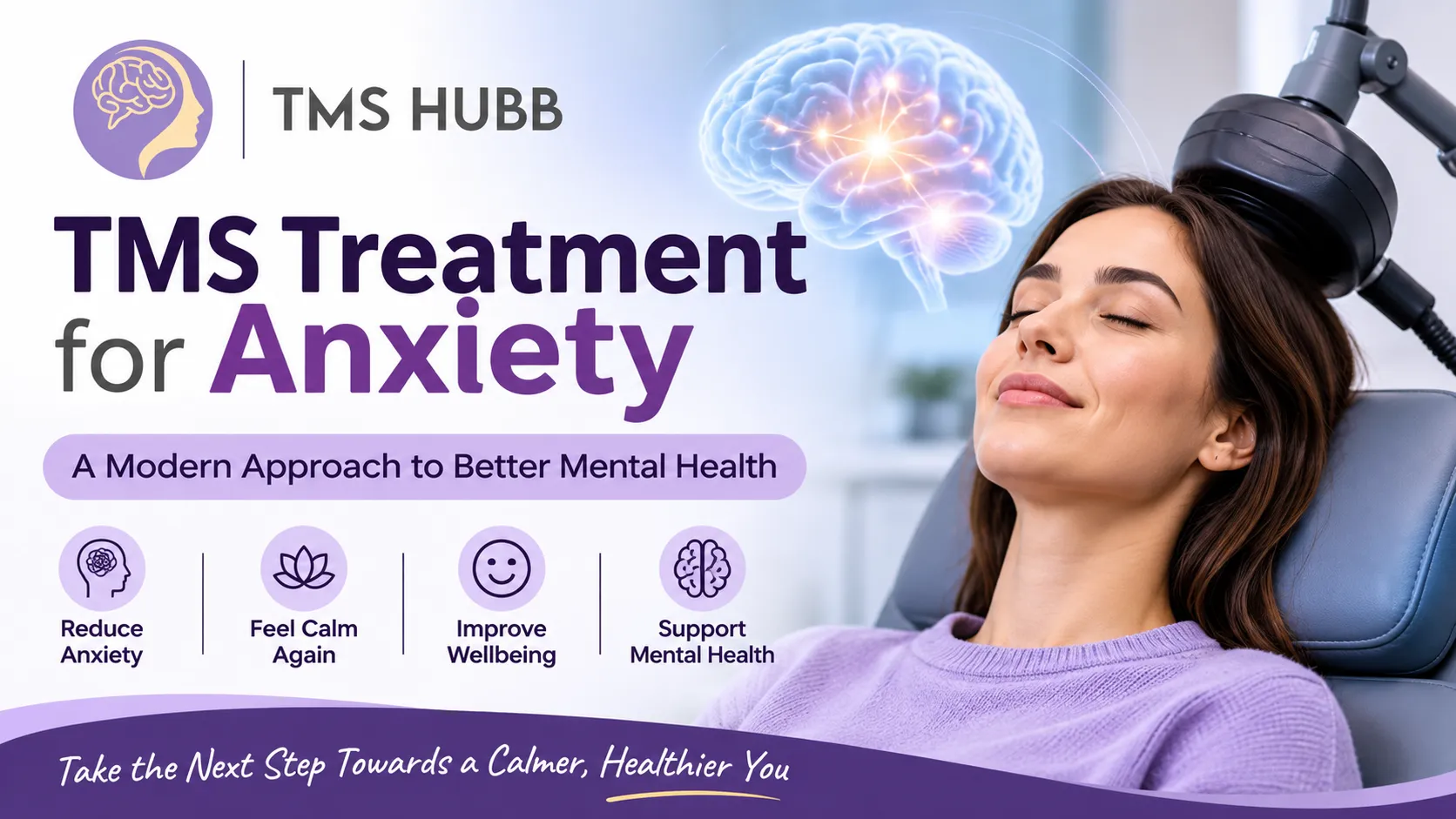
Anxiety can affect almost every part of daily life, from personal relationships and work performance to sleep, concentration and emotional well-being. While occasional anxiety is a normal response to stress, persistent anxiety can become overwhelming and make even simple daily activities feel challenging. For people who continue experiencing symptoms despite trying traditional treatment approaches, exploring other mental health care options may be worthwhile.
One treatment gaining attention in mental health discussions is Transcranial Magnetic Stimulation (TMS). This non-invasive brain stimulation technique uses magnetic pulses to influence activity in specific areas of the brain associated with mood and emotional regulation.
For individuals researching TMS treatment for anxiety, understanding how the treatment works, what to expect and whether it may be appropriate for their circumstances is an important first step. Access to professional guidance and personalised treatment planning can help people make informed decisions about their mental health.
Understanding Anxiety and Its Impact on Daily Life
Anxiety is more than occasional nervousness or worry. It can involve persistent feelings of fear, tension and apprehension that interfere with everyday activities. Some people experience anxiety in particular situations, while others find that their worries continue even when there is no immediate reason to feel threatened.
Common anxiety symptoms include:
- Constant worrying or racing thoughts.
- Restlessness and difficulty relaxing.
- Increased heart rate or physical tension.
- Difficulty concentrating or making decisions.
- Sleep disturbances and fatigue.
- Avoiding situations that trigger anxious feelings.
- Feeling overwhelmed by everyday responsibilities.
Anxiety can also affect physical health, relationships and professional life. When symptoms continue over time, seeking professional support becomes important.
Traditional treatment approaches may include psychological therapies, lifestyle adjustments and prescribed medications. However, treatment outcomes vary between individuals. Some people may continue experiencing symptoms despite receiving appropriate care, which can lead them to investigate additional treatment options.
This is where brain stimulation approaches, including TMS, may become part of a wider conversation about personalised mental health care.
What Is TMS Treatment for Anxiety?
Transcranial Magnetic Stimulation (TMS) is a non-invasive treatment that uses controlled magnetic pulses to stimulate targeted areas of the brain.
The treatment focuses on brain regions involved in emotional processing, mood regulation and other functions associated with mental health. By delivering magnetic pulses through a specialised coil positioned near the scalp, TMS aims to influence activity in selected neural networks.
TMS treatment for anxiety is an area of growing clinical interest. Research is investigating how targeted brain stimulation may help people experiencing anxiety symptoms, particularly when anxiety occurs alongside depression.
It is important to understand that the evidence for TMS is stronger for certain forms of depression than it is for anxiety disorders as a standalone condition. Its suitability for anxiety depends on the individual's diagnosis, symptoms, medical history and the treatment protocol being considered.
A qualified mental health professional can explain whether TMS is an appropriate option and discuss other evidence-based treatments that may be beneficial.
How Does TMS Work?
The human brain contains interconnected networks responsible for regulating emotions, processing information and responding to stress. Changes in the activity of certain brain networks may contribute to symptoms associated with depression and anxiety.
TMS works by delivering magnetic pulses to specific areas of the brain. These pulses generate small electrical currents that stimulate nerve cells and may influence communication between brain regions.
Here is a simple explanation of the treatment process:
- Target identification: A trained clinician identifies the appropriate brain area for stimulation.
- Coil positioning: A specialised magnetic coil is placed gently against the patient's scalp.
- Magnetic stimulation: Controlled magnetic pulses are delivered to the targeted region.
- Brain activity modulation: Repeated stimulation aims to influence neural activity and communication within relevant brain networks.
- Clinical monitoring: The treatment team monitors symptoms, progress and possible side effects throughout the treatment course.
The exact stimulation settings depend on the patient's condition and clinical assessment. TMS does not involve surgery, and treatment is generally delivered without anaesthesia.
Potential Benefits of TMS for People Experiencing Anxiety
Research into TMS and anxiety is continuing to develop. Although it is not yet an established first-line treatment for anxiety disorders, early research suggests that brain stimulation may have potential benefits for some individuals.
Some areas being investigated include:
1. Supporting emotional regulation
Anxiety can make it difficult to manage emotional responses to everyday situations. Researchers are investigating whether targeted brain stimulation can influence neural networks involved in emotional regulation.
2. Addressing anxiety symptoms alongside depression
Some people experience anxiety and depression at the same time. Research suggests that rTMS may help reduce anxiety symptoms in certain individuals receiving treatment for depression.
3. Providing another treatment option
People who have not achieved sufficient improvement through conventional approaches may wish to discuss emerging treatment options with their psychiatrist. TMS may be considered in appropriate clinical circumstances, depending on the diagnosis and available evidence.
4. Non-invasive treatment approach
TMS does not require surgical procedures or general anaesthesia. Patients remain awake during treatment and can generally return to their normal daily activities afterwards.
5. Personalised treatment planning
Treatment parameters can be adjusted according to individual clinical requirements. This makes professional assessment and ongoing monitoring essential.
These potential benefits should not be interpreted as a guarantee that TMS will resolve anxiety symptoms. Individual responses can vary, and further research is needed to establish its effectiveness for different anxiety disorders.
TMS Brisbane: Exploring Available Mental Health Treatment Options
Finding appropriate mental health support can feel challenging, particularly when anxiety has started affecting everyday life. People searching for TMS Brisbane are often looking for information about modern treatment approaches and professional services that can help them manage their symptoms.
Brisbane residents have access to different mental health care options, including:
- Psychiatric consultations and assessments.
- Cognitive Behavioural Therapy (CBT).
- Medication management.
- Psychological counselling.
- Lifestyle and stress-management support.
- Specialist brain stimulation treatments where clinically appropriate.
When considering TMS, it is important to choose a qualified provider that follows recognised clinical standards. Patients should receive a proper assessment before treatment is recommended.
A professional consultation can help determine whether symptoms are related to generalised anxiety disorder, panic disorder, social anxiety, depression with anxiety symptoms or another mental health condition.
The diagnosis matters because different conditions may require different treatment approaches.
Transcranial Magnetic Stimulation Brisbane: What Should You Expect?
People researching transcranial magnetic stimulation Brisbane may have questions about the treatment experience, session duration and recovery.
Understanding the process can make it easier to discuss TMS with a healthcare professional.
1. Initial consultation
The process generally begins with a clinical assessment. A psychiatrist reviews the patient's mental health history, current symptoms, previous treatments and medical background.
This assessment helps determine whether TMS is appropriate and whether any additional investigations or precautions are necessary.
2. Treatment planning
If TMS is considered suitable, the treating psychiatrist develops an individual treatment plan.
This includes identifying the stimulation target, selecting an appropriate protocol and determining the treatment schedule.
3. Treatment sessions
During a session, the patient sits comfortably in a treatment chair while the magnetic coil is positioned against the scalp.
The device delivers repeated magnetic pulses to the selected brain region. Patients remain awake throughout the procedure.
4. Monitoring progress
The clinical team monitors symptoms and treatment tolerance during the course. Regular reviews help determine whether the treatment is providing meaningful improvement.
Any changes in medication, physical health or mental health symptoms should be discussed with the treating clinician.
5. Follow-up care
After completing a treatment course, patients may require ongoing mental health support. Depending on their circumstances, this may include psychological therapy, medication or additional clinical reviews.
TMS should be viewed as one possible component of a broader mental health care plan rather than a replacement for all other treatments.
Is TMS Safe for Anxiety Treatment?
TMS is generally considered a well-tolerated treatment when appropriate patient screening and clinical safety procedures are followed.
However, like other medical treatments, it has possible side effects.
Commonly reported side effects include:
- Mild headache.
- Scalp discomfort during stimulation.
- Temporary facial muscle twitching.
- Tiredness following a session.
- Temporary discomfort from the clicking sound produced by the machine.
A seizure is a rare but recognised complication. Patients should undergo appropriate screening, particularly for factors that may increase seizure risk.
People with certain implanted medical devices or metal objects near the treatment area may require additional assessment. A history of seizures, neurological conditions and medication changes should also be discussed before treatment.
A qualified psychiatrist should explain the potential benefits, limitations and risks before recommending TMS.
Who May Be Suitable for TMS?
TMS suitability depends on the patient's diagnosis, medical history and individual circumstances.
A psychiatrist may consider factors such as:
- The type and severity of mental health symptoms.
- Previous treatment experiences.
- Response to prescribed medications.
- Whether anxiety occurs alongside depression.
- Existing medical or neurological conditions.
- Potential contraindications and safety considerations.
For someone experiencing anxiety without depression, the evidence supporting TMS is still developing. It should not automatically be assumed to be an appropriate treatment.
People with treatment-resistant depression and associated anxiety symptoms may have different clinical considerations because the evidence for TMS in depression is more established.
A detailed psychiatric assessment is therefore essential before making a treatment decision.
Why Professional Guidance Matters When Considering TMS in Brisbane
Choosing a mental health treatment should never be based on online claims alone. Although TMS is receiving growing attention, patients need accurate information about what it can and cannot achieve.
When researching a TMS provider in Brisbane, consider the following:
- Qualified professionals: Check whether treatment is assessed and prescribed by appropriately trained clinicians.
- Individual assessment: The provider should review your medical history and mental health symptoms.
- Treatment transparency: Ask about the proposed protocol, expected schedule and possible side effects.
- Clinical monitoring: Ensure there is a clear process for monitoring progress and managing complications.
- Honest expectations: A reliable provider should explain the available evidence and any limitations relating to anxiety treatment.
These considerations can help patients make informed decisions and avoid unrealistic expectations.
How TMS HUBB Can Help You Explore Mental Health Care
When considering new treatment options, having access to clear information and professional guidance can make the decision-making process easier.
TMS HUBB provides information about Transcranial Magnetic Stimulation and mental health treatment options in Queensland. Individuals interested in TMS can learn more about available services, the treatment process and whether a professional assessment may be appropriate.
If you are experiencing ongoing anxiety symptoms, consider discussing your concerns with a qualified mental health professional. They can help identify the underlying condition and recommend suitable treatment options based on your needs.
Learn more about treatment information and services at TMS HUBB.
Frequently Asked Questions About TMS Treatment for Anxiety
1. Can TMS treatment help with anxiety?
Research suggests that TMS may help reduce anxiety symptoms in some individuals, particularly those experiencing anxiety alongside depression. However, evidence for treating anxiety disorders independently is still developing. A psychiatrist can determine whether it may be appropriate.
2. Is TMS a non-invasive treatment?
Yes. TMS is non-invasive and does not involve surgery or general anaesthesia. Magnetic pulses are delivered through a coil positioned against the scalp.
3. How long does a TMS treatment session take?
Session duration depends on the stimulation protocol being used. Some protocols take only a few minutes, while others may require longer appointments. Your treatment provider can explain the expected schedule.
4. Can I return to normal activities after TMS?
Most patients can return to their usual daily activities after a session. Some may experience temporary headaches, scalp discomfort or tiredness.
5. Is TMS better than medication for anxiety?
There is no universal answer. Medication, psychological therapy and other approaches have different benefits and limitations. TMS has stronger clinical evidence for depression than standalone anxiety disorders. Treatment decisions should be made with a qualified healthcare professional.
6. Can TMS be combined with psychological therapy?
Yes. Depending on individual circumstances, TMS may be provided alongside psychological therapy or medication. The treating clinician can recommend an appropriate combination.
7. Where can I learn more about TMS in Brisbane?
You can consult a qualified mental health professional and visit TMS HUBB for information about TMS services and treatment options in Queensland.
Final Thoughts
Living with persistent anxiety can be exhausting, but there are different ways to seek support and improve mental well-being. From psychological therapies and medication to emerging brain stimulation techniques, modern mental health care continues to develop new approaches.
TMS treatment for anxiety is an area of growing research interest, particularly for people experiencing anxiety alongside depression. While early findings are encouraging, more clinical research is needed before it can be considered an established treatment for anxiety disorders on their own.
If you are researching TMS Brisbane services, take time to understand the treatment, ask questions and seek advice from qualified professionals. A personalised treatment plan based on proper assessment can help you identify the most appropriate path towards better mental health.