Smart Mini Split Innovations Revolutionizing Home Cooling Performance in 2026
By Gleason HVAC
106 Views
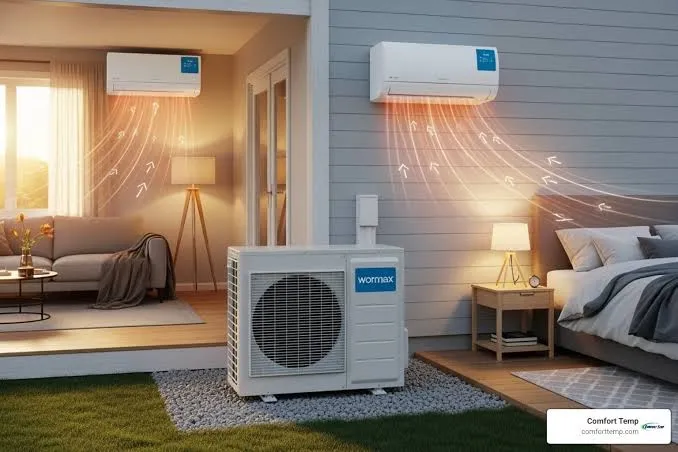
The residential cooling industry continues to evolve as homeowners search for more efficient, flexible, and environmentally responsible ways to maintain indoor comfort. In 2026, ductless cooling systems are becoming one of the most popular solutions for modern homes due to their energy efficiency, zoning capabilities, and compatibility with smart home technologies.
Unlike traditional cooling systems that rely on extensive ductwork, ductless systems offer a streamlined approach to climate control. Their ability to deliver targeted comfort while minimizing energy waste has made them a preferred option for homeowners looking to improve both comfort and efficiency.
As adoption continues to rise, advancements in diagnostics, predictive maintenance, and intelligent controls are reshaping how these systems are managed and maintained. These innovations are helping homeowners maximize performance while reducing long-term operating costs.
Why Ductless Systems Continue to Gain Popularity
One of the primary reasons ductless systems are growing in popularity is their exceptional flexibility. Homeowners can install individual indoor units in specific rooms or zones, allowing customized temperature control throughout the property.
This zoning capability helps eliminate the common problem of uneven temperatures found in many homes. Family members can adjust comfort levels according to their preferences without affecting other areas of the house.
In addition, ductless systems are often easier to install compared to traditional central air systems. Because they require minimal structural modifications, they are particularly attractive for home additions, renovations, older homes, and properties without existing ductwork.
As homeowners continue prioritizing energy efficiency and personalized comfort, ductless solutions are expected to remain a major trend throughout 2026 and beyond.
The Rise of Intelligent System Monitoring
Technology is transforming the way homeowners interact with cooling systems. Modern ductless units are equipped with sophisticated sensors that continuously monitor operating conditions and system performance.
These sensors collect data related to temperature, humidity, airflow, and energy consumption. Advanced software analyzes this information to optimize operation and identify potential issues before they become significant problems.
Artificial intelligence is playing an increasingly important role in predictive maintenance. By recognizing patterns that indicate declining performance, smart systems can notify homeowners when maintenance may be required.
This proactive approach helps reduce unexpected breakdowns while improving reliability and overall system efficiency.
How Predictive Maintenance Is Changing Service Strategies
One of the most important developments in 2026 is the growing adoption of predictive maintenance technologies. Instead of waiting for equipment to fail, homeowners can now address concerns based on real-time performance data.
When ductless ac repair becomes necessary, diagnostic tools provide technicians with detailed information before service begins. This allows professionals to identify the source of issues more accurately and efficiently, reducing service times and improving repair outcomes.
Remote monitoring capabilities further enhance this process. Some systems can automatically transmit performance data to service providers, allowing potential concerns to be evaluated before an on-site visit is scheduled.
As predictive maintenance technology becomes more widespread, homeowners can expect fewer disruptions and greater confidence in the long-term performance of their cooling systems.
Energy Efficiency Remains a Driving Force
Energy efficiency continues to influence nearly every aspect of residential cooling technology. Homeowners are increasingly focused on reducing utility costs while maintaining comfortable indoor environments.
Modern ductless systems utilize inverter-driven compressors that automatically adjust output based on cooling demand. Rather than cycling on and off repeatedly, these systems operate continuously at varying speeds to maintain consistent temperatures.
This approach reduces energy waste, improves comfort, and minimizes wear on critical components. Many homeowners find that advanced efficiency features contribute to noticeable reductions in monthly energy expenses.
As utility costs remain a concern for households nationwide, efficient cooling technologies will continue driving purchasing decisions and industry innovation.
Smart Home Integration Enhances Convenience
The smart home movement is accelerating rapidly, and ductless systems are becoming fully integrated components of connected living environments. Mobile applications allow homeowners to monitor performance, adjust temperatures, and receive maintenance notifications from virtually anywhere.
Voice-controlled assistants further simplify daily operation. Users can change settings using simple commands, creating a seamless and convenient experience.
Smart scheduling features are also becoming increasingly sophisticated. Systems can learn household routines and automatically adjust cooling patterns to maximize efficiency while maintaining comfort.
These innovations are helping homeowners gain greater control over energy usage and system performance without sacrificing convenience.
Sustainability and Environmental Responsibility
Environmental sustainability remains a major focus within the HVAC industry. Homeowners are actively seeking technologies that reduce carbon emissions and support long-term environmental goals.
Manufacturers are responding by developing systems that utilize environmentally responsible refrigerants and improved component designs. Many modern ductless units are also designed to integrate effectively with renewable energy systems such as solar power installations.
This compatibility enables homeowners to further reduce energy consumption while supporting broader sustainability initiatives. As regulations continue evolving, environmentally conscious cooling technologies are expected to become even more important.
Conclusion
The future of residential cooling is increasingly defined by intelligence, efficiency, and adaptability. Ductless systems are positioned at the forefront of this evolution due to their flexibility, performance, and compatibility with emerging technologies.
When homeowners invest in proper maintenance and timely ductless ac repair, they can maximize system lifespan and preserve the efficiency benefits these advanced systems provide. Combined with artificial intelligence, predictive diagnostics, and smart home integration, modern ductless technology offers a compelling vision for the future of home comfort.
As innovations continue throughout 2026, homeowners who embrace these advancements will enjoy improved reliability, lower operating costs, and greater control over their indoor environments. The result is a smarter, more efficient approach to residential cooling that aligns perfectly with the demands of modern living.