How to Select the Best Interstate Transport Provider for Your Needs
By Molly Crowe
153 Views
Have you ever found yourself staring at a mountain of goods that need shipping across state lines, wondering where to even start? Perhaps you've been burned before by unreliable couriers or unexpected costs that blew your budget sky-high? Or maybe you're simply looking for a transport partner you can actually trust to get your cargo from Sydney to Perth without a hitch?
Choosing the right interstate transport provider isn't just about finding the cheapest quote. It's about reliability, peace of mind, and knowing your goods will arrive safely and on time. Whether you're a small business owner shipping products to customers across Australia or a company managing large-scale freight operations, this decision can make or break your operations. The wrong choice could mean damaged goods, missed deadlines, and frustrated customers.
In this guide, we'll walk you through everything you need to know about selecting the best interstate transport provider for your needs. From understanding the different types of services available to knowing exactly which questions to ask before signing on the dotted line, we've got you covered. By the end, you'll have the confidence to make an informed decision that suits your budget, timeline, and specific requirements.
Understanding Interstate Transport Services in Australia
What Is Interstate Transport and How Does It Work?
Interstate transport involves moving goods between different Australian states and territories. It's the backbone of commerce across this vast country, connecting businesses in Melbourne with customers in Brisbane, or manufacturers in Adelaide with warehouses in Darwin. The process typically involves collection from your location, transportation via road or rail networks, and delivery to the final destination.
Most providers offer door-to-door services, meaning they handle everything from pickup to drop-off. Others operate terminal-to-terminal, which requires you to deliver goods to a depot. Understanding which model works for your situation is crucial before you start comparing quotes.
Types of Interstate Transport Services Available
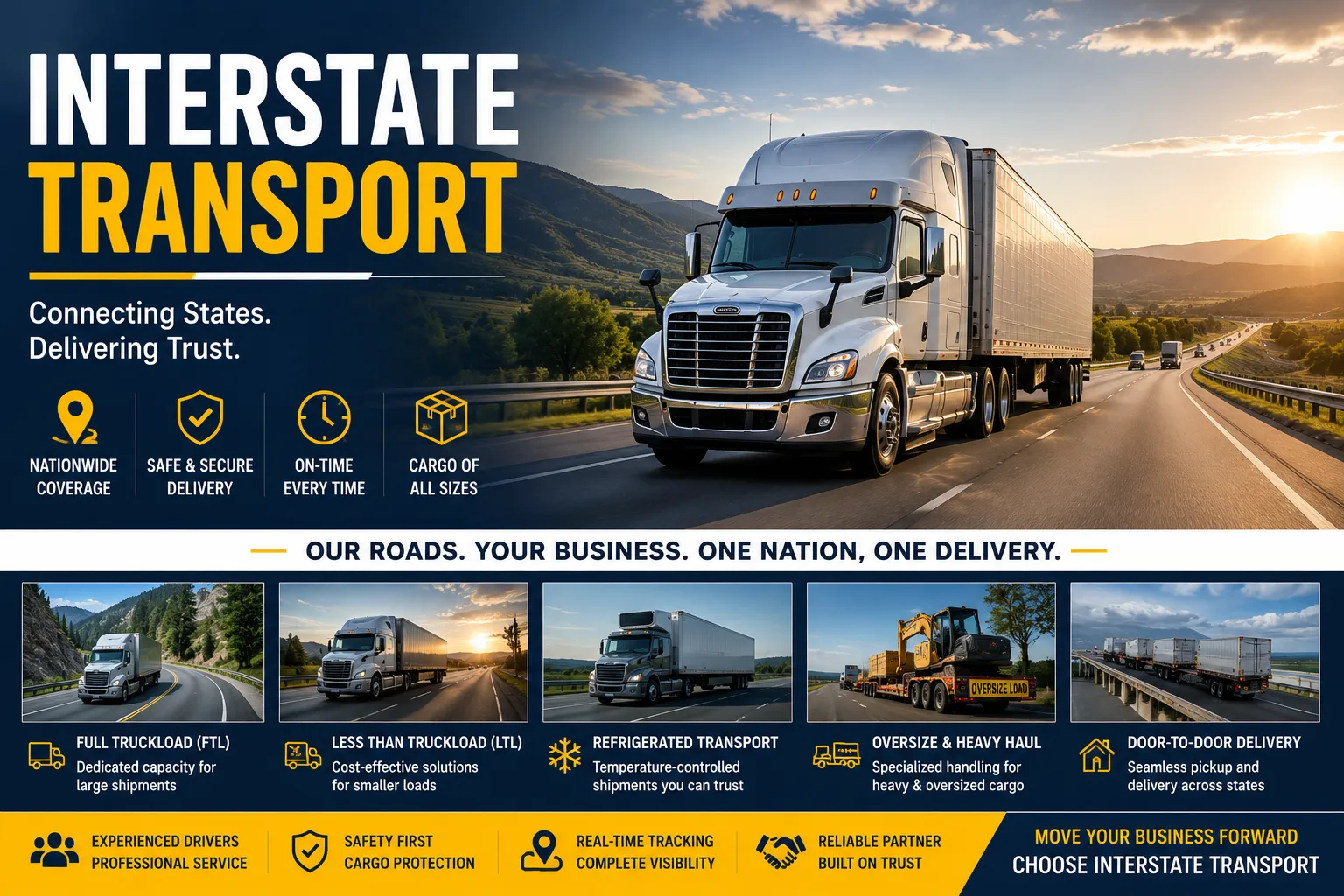
You'll find several options when exploring interstate freight services. Full truckload (FTL) shipping is ideal when you have enough cargo to fill an entire vehicle. Less than truckload (LTL) services suit smaller shipments, where your goods share space with other customers' freight.
Express freight services prioritise speed, getting your items across the country in the shortest time possible. Standard services take longer but typically cost less. Some providers also offer specialised transport for oversized items, refrigerated goods, or hazardous materials.
Road Freight vs Rail Freight: Which Is Better for Your Needs?
Road freight offers flexibility and door-to-door convenience. Trucks can access locations that rail simply cannot reach, making them perfect for deliveries to suburban or regional areas. They're also better suited for time-sensitive shipments requiring express delivery.
Rail freight shines when you're moving large volumes over long distances. It's generally more cost-effective for heavy loads travelling between major cities and has a lower carbon footprint. However, rail requires additional road transport at either end, which adds complexity. Consider your cargo volume, timeline, and budget when choosing between these options.
Key Factors to Consider When Choosing an Interstate Transport Company
Reliability and On-Time Delivery Track Record
Nothing matters more than knowing your goods will arrive when promised. Look for providers with proven track records of on-time delivery. Check online reviews, ask for references, and don't be shy about requesting performance statistics. A company worth its salt will happily share this information.
Coverage Areas and Route Networks Across Australia
Make sure your chosen provider actually services the routes you need. Some companies excel on east coast corridors but have limited coverage to Western Australia or the Northern Territory. Confirm they can handle your specific requirements, including any regional or remote delivery points.
Fleet Size, Vehicle Types, and Capacity
A larger fleet generally means greater flexibility and reliability. If one vehicle breaks down, there's backup. Ask about vehicle types too – do they have the right trucks for your cargo? Whether you need flatbeds for machinery or enclosed vehicles for sensitive items, verify they've got what you need.
Insurance and Liability Protection
What happens if something goes wrong? Understand the provider's insurance coverage and liability limits. Standard transit insurance often has caps that might not fully cover high-value items. You may need additional coverage, so clarify this upfront to avoid nasty surprises.
Customer Service and Communication Standards
When issues arise (and they will occasionally), responsive customer service makes all the difference. Test their communication before committing – how quickly do they return calls or emails? Do they provide dedicated account managers? Clear communication channels prevent small problems from becoming major headaches.
How Long Does Interstate Delivery Take?
Typical Transit Times Between Major Australian Cities
Sydney to Melbourne typically takes one to two days by road. Sydney to Brisbane is similar. Cross-country journeys like Melbourne to Perth generally require four to six days for standard services. These timeframes assume no delays or disruptions.
Express vs Standard Delivery Options
Express services can significantly reduce transit times, sometimes cutting days off standard schedules. However, this speed comes at a premium. Evaluate whether the extra cost justifies the faster delivery for your specific situation.
Is My Cargo Safe? Evaluating Security and Handling Practices
How Do Transport Companies Handle Fragile or High-Value Items?
Ask about handling procedures for delicate cargo. Good providers train their staff properly, use appropriate packaging materials, and implement careful loading practices. Some offer white-glove services for particularly valuable or fragile items. Don't assume ask for specifics.
Tracking Technology and Real-Time Updates
Modern transport companies provide real-time tracking so you always know where your goods are. GPS technology, online portals, and automatic notifications keep you informed throughout the journey. This visibility is invaluable for managing customer expectations and planning receiving operations.
Questions to Ask Before Hiring an Interstate Transport Provider
Essential Questions About Experience and Credentials
How long have they operated? What industry accreditations do they hold? Do they have experience handling your type of cargo? Can they provide references from similar clients? These questions reveal whether they're genuinely capable of meeting your needs.
Questions About Contracts, Terms, and Guarantees
What are their payment terms? What service guarantees do they offer? What's their claims process if something goes wrong? Understanding the contractual relationship upfront prevents disputes later.
Red Flags to Watch Out For When Selecting a Provider
Be wary of quotes significantly lower than competitors there's usually a reason. Poor communication during the quoting process often indicates worse service later. Reluctance to provide references or insurance details should raise concerns. Trust your instincts when something feels off.
Comparing Interstate Transport Providers: A Practical Checklist
Create a comparison spreadsheet covering: pricing, transit times, coverage areas, insurance limits, tracking capabilities, customer reviews, and fleet details. Rate each provider against these criteria. This systematic approach removes emotion from the decision and helps you identify the genuinely best option.
Making Your Final Decision with Confidence
Selecting the right interstate transport provider takes time and research, but it's worth the effort. You've now got a solid understanding of what to look for, which questions to ask, and what red flags should send you running. The key factors reliability, coverage, pricing transparency, and customer service should guide your decision-making process.
Remember, the cheapest option rarely proves to be the most cost-effective in the long run. A provider who damages your goods or consistently misses deadlines will cost you far more through lost customers and replacement expenses. Focus on finding a partner who offers genuine value competitive pricing backed by dependable service.
Related Reading
Why Business & Finance is Transforming the Global Industry Landscape
Welcome to our in-depth exploration of Business & Finance. In an era defined...
Expert Insights: Navigating the Complex World of Business & Finance
Welcome to our in-depth exploration of Business & Finance. In an era defined...