Making Extra Space Work Better for Home and Business Needs
By shamsasarwar
75 Views
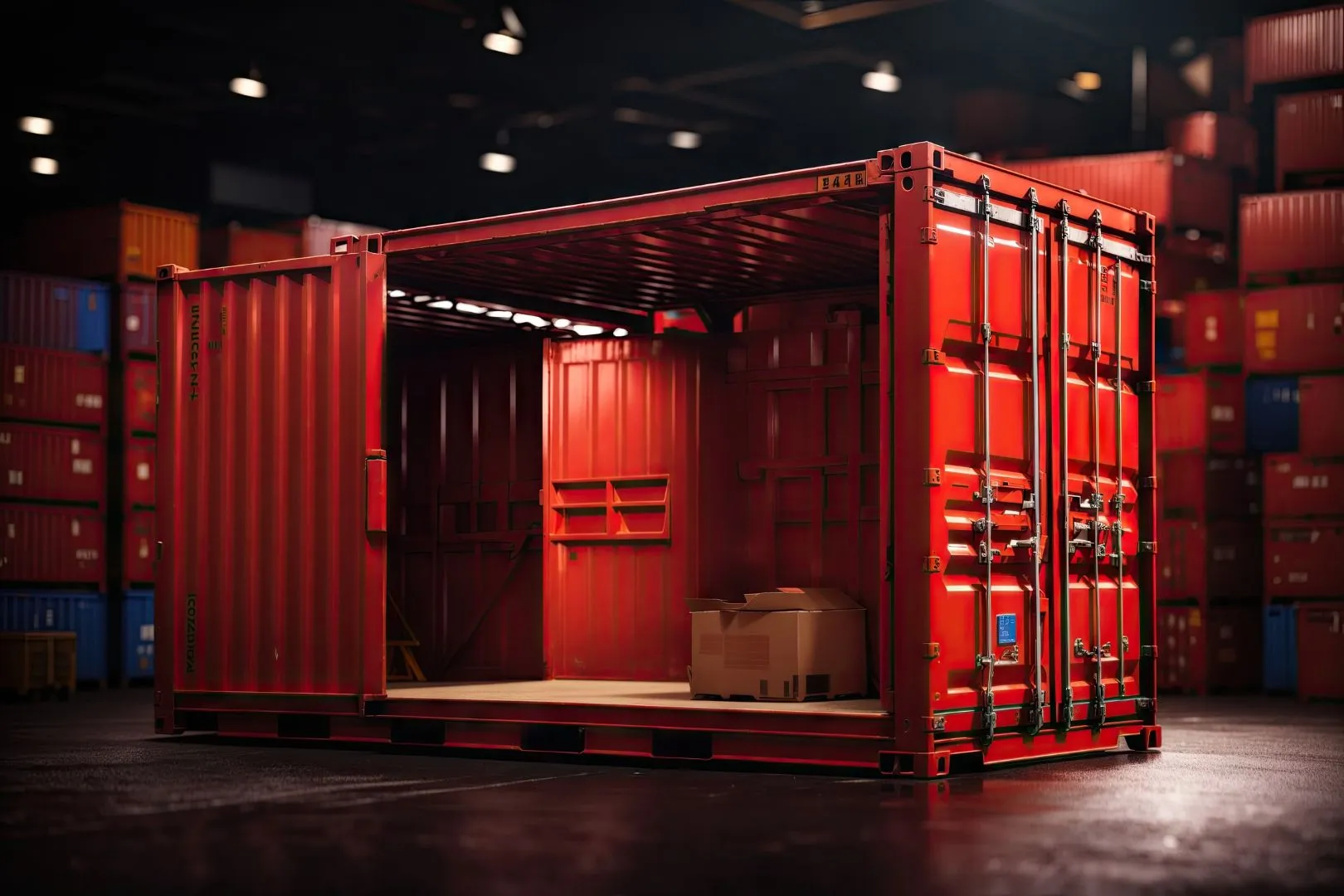
Space can become difficult to manage when belongings increase faster than available room. Homes may contain furniture, seasonal decorations, appliances, personal possessions, and recreational equipment, while businesses may have excess inventory, tools, documents, and supplies. Instead of allowing these belongings to take over useful areas, a planned storage approach can create a more organized environment. Additional space can be especially valuable during moving, renovation, business growth, or periods when certain possessions are not needed every day.
Understanding Changing Storage Requirements
Storage requirements rarely remain the same throughout life. A family may need extra room after moving into a smaller property, while another household may need temporary space during a renovation. Businesses also experience changing requirements as inventory levels rise and fall. Storage containers rental can provide flexibility when people need somewhere practical to keep belongings without permanently increasing the size of their home or workplace.
Managing Household Possessions
Household belongings can accumulate for many reasons. People often keep items because they have sentimental value, may become useful in the future, or are only needed during particular seasons. Although keeping these possessions can be reasonable, storing everything inside the home can reduce available living space.
Creating Room in Crowded Areas
Garages, basements, spare bedrooms, and closets are often used as informal storage areas. When these spaces become overloaded, they stop serving their original purpose. Moving less frequently used belongings to a dedicated storage area can restore these rooms and make the property more comfortable.
Separating Frequently Used Items
A useful storage strategy separates possessions according to how often they are needed. Everyday items should remain easily accessible, while seasonal or rarely used belongings can be placed farther away. This arrangement reduces unnecessary searching and helps keep active areas free from clutter.
Making Moving More Convenient
Relocation is one of the most common situations where additional space becomes useful. Moving schedules can change because of property delays, repairs, lease dates, or unexpected circumstances. Having a separate place for belongings can make the transition easier.
Handling a Temporary Gap
When people need to leave their current home before the next property is ready, their belongings still require a safe and organized location. Storage containers rental can help bridge this temporary gap. Instead of repeatedly moving furniture and boxes, homeowners can keep their possessions together until they are ready for delivery.
Organizing Items Before Transportation
Proper preparation can make relocation more efficient. Boxes should be labeled according to their contents, fragile possessions should be protected, and heavier items should be packed carefully. Creating an inventory can also make it easier to locate important belongings during the transition.
Supporting Renovation Projects
Renovations can create significant disruption inside a home. Furniture and personal belongings may need to be removed before painting, flooring installation, remodeling, or structural work begins.
Protecting Furniture and Personal Items
Keeping possessions away from construction areas can help reduce exposure to dust and accidental damage. Storage containers rental can provide additional capacity when household storage areas are not large enough to hold furniture and other belongings during renovation work.
Giving Contractors More Working Room
A clear work area allows contractors to move equipment and materials more easily. When furniture is removed from the project area, workers can access walls, floors, ceilings, and other surfaces without constantly moving household possessions. This can contribute to a more organized renovation environment.
Helping Businesses Handle Growth
Business growth often brings additional inventory, equipment, packaging materials, and supplies. A company may have enough room for its current operations but quickly become crowded after receiving larger orders or expanding its product range.
Managing Excess Stock
Businesses can use additional storage to separate surplus inventory from products that are currently being sold. Storage containers rental can help companies maintain extra stock without filling customer areas, offices, or active workspaces with boxes and supplies.
Supporting Seasonal Operations
Seasonal demand can make storage requirements unpredictable. Retailers and event companies may need additional inventory during busy periods but less space afterward. Flexible storage allows businesses to respond to these changes without permanently expanding their commercial premises.
Keeping Business Equipment Organized
Tools and equipment can become difficult to manage when they have no dedicated location. Construction companies, contractors, maintenance providers, event businesses, and service professionals may own equipment that is used only occasionally.
Creating a Practical Arrangement
Equipment should be arranged according to frequency of use and size. Frequently needed tools should remain accessible, while rarely used equipment can be placed in less accessible areas. Clear labels can make the arrangement easier to maintain.
Protecting Important Equipment
Proper preparation is important when storing equipment for extended periods. Items should be cleaned when appropriate, packed or covered when necessary, and positioned safely. Maintaining an inventory can also help businesses track valuable equipment and supplies.
Planning for Seasonal Storage
Seasonal belongings can occupy significant space even though they may only be used for a few months each year. Winter clothing, holiday decorations, garden furniture, camping equipment, and sporting goods are common examples.
Rotating Items Efficiently
A rotation system can keep seasonal possessions organized. When one season ends, its belongings can be stored while items for the upcoming season are brought forward. Storage containers rental can support this process by providing additional room outside the main living or working area.
Labeling Seasonal Boxes
Clear labels can save considerable time. Boxes should identify their contents and, when useful, the room or category associated with them. This simple approach prevents people from opening multiple boxes to find a single seasonal item.
Choosing Storage According to Your Needs
The right storage arrangement depends on the quantity and type of belongings involved. Before choosing a solution, users should consider the size of their possessions, expected storage duration, and frequency of access.
Estimating Space Requirements
An accurate estimate can help prevent unnecessary expense. Belongings should be grouped together before selecting a storage size. Large furniture and equipment should receive particular attention because they can consume considerable space.
Considering Future Requirements
People should also think about how their needs may change. A business expecting inventory growth may require more capacity later, while a homeowner may need additional space during a long renovation. Planning ahead can make storage management more convenient.
Maintaining an Organized Storage Area
Once belongings are stored, organization should continue throughout the rental period. Items should remain labeled, pathways should stay clear, and frequently needed possessions should remain accessible.
Reviewing Belongings Regularly
A periodic review can identify possessions that are no longer needed. Removing unnecessary items can create more usable space and make the remaining belongings easier to manage. An organized storage system should evolve as household and business requirements change.
Conclusion
Additional storage can make a major difference when homes or businesses begin running out of usable space. Moving projects, renovations, seasonal belongings, business growth, and equipment management can all create situations where flexible storage becomes valuable. By planning carefully, protecting possessions, labeling boxes, and reviewing stored items regularly, people can maintain better control over their belongings. Storage containers rental can provide a practical and adaptable way to create extra space while keeping everyday areas organized and functional.