How to Position a Large Rug Correctly Under a Dining Table
119 Views
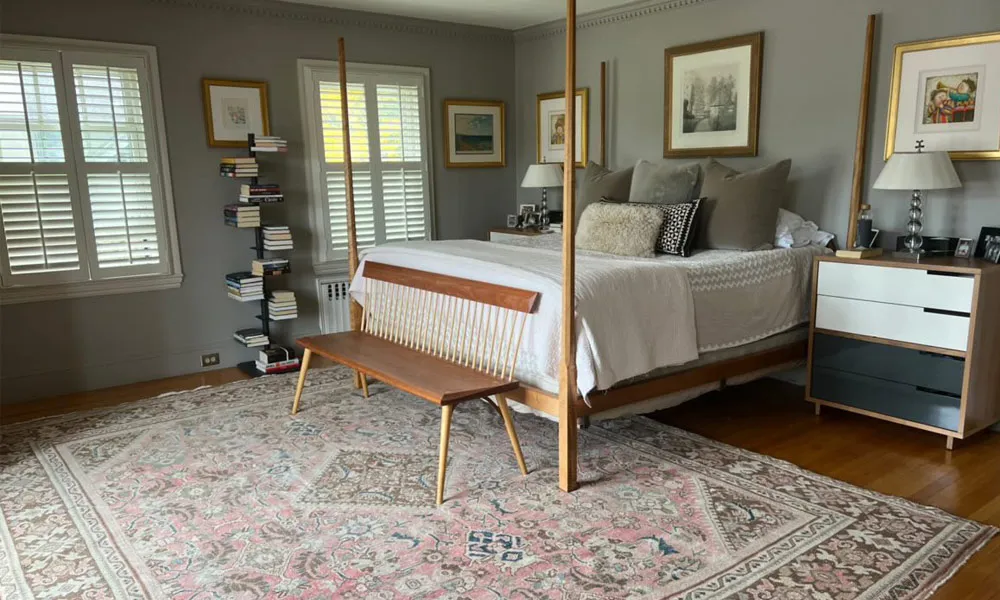
A dining room rug can make the space feel warmer, soften sound, and visually connect the table with the surrounding chairs. However, the rug needs to be large enough for the chairs to move comfortably. If chair legs catch on the edge every time someone sits down, the rug quickly becomes an inconvenience.
The correct placement depends on the table’s size and shape, the number of chairs, and how far the chairs move during use. Measuring only the tabletop is not enough. A successful plan includes the full dining activity zone.
Measure the Table With the Chairs Pulled Out
Begin by measuring the table at its widest and longest points. Then pull each chair back to a comfortable sitting position and measure the complete footprint again. The rug should extend beyond the table far enough to keep the chair legs supported in this position.
Before you order 9x12 area rug options, first mark those dimensions on the floor. Painter’s tape can reveal whether the rug will hold every chair during normal movement and whether enough floor remains visible around the room.
Test the layout by moving each chair. Pay special attention to chairs at the table ends, which may need more space than side chairs. If a chair crosses the tape line during ordinary use, consider a larger rug or a different table orientation.
Center the Rug Under the Table
The rug should usually be centered beneath the dining table rather than centered in the entire room. These two points may differ when a room has an off-center doorway, built-in cabinet, or walkway. The table and rug should read as one group.
Measure the rug extension on all sides of the table. The distances should be similar so one row of chairs does not have much less support than another. Minor variation is acceptable, but the arrangement should look balanced from the main entrance.
If a chandelier hangs above the table, the table, rug, and light fixture should generally share the same center line. This creates a strong visual structure. Moving the rug alone cannot correct a table that sits far away from the light, so consider the whole arrangement together.
Account for Table Leaves
Expandable dining tables require extra planning. A rug that fits the table in its everyday form may become too small when extension leaves are added. Decide which setup matters most before choosing the size.
If the table is extended regularly for family meals or holidays, measure it at full length. This ensures that the end chairs remain on the rug during larger gatherings. If the table is extended only once or twice a year, you may accept that the temporary arrangement will not be perfect.
Store the exact measurements of both table configurations. A simple floor sketch can help you compare rug sizes without repeating the process each time you shop.
Match the Rug Shape to the Dining Area
A rectangular rug naturally supports most rectangular tables. It follows the table’s long lines and provides space behind rows of chairs. A round rug may suit a round table, but its diameter must still include chair movement. Choosing the same shape does not automatically guarantee enough space.
A square rug can work beneath a round or square table in a square room. The key is maintaining a comfortable border around the chairs. In a narrow dining room, a rectangular rug may use the available floor more efficiently than a wide round one.
The room’s architecture matters too. A rug should not block a floor vent, press against a built-in cabinet, or extend into a doorway. If the ideal rug size does not fit, the table itself may be too large for the room’s current orientation.
Preserve Walkways Around the Rug
People need room to walk behind occupied chairs, carry dishes, and reach nearby doors or serving furniture. Measure the path between the pulled-out chairs and walls. The rug should support the dining set without consuming every inch of the walkway.
Avoid placing an edge directly in a high-traffic path if possible. Repeated steps on a loose edge may cause curling or movement. A suitable rug pad can improve grip, add cushioning, and help the rug lie more evenly beneath the table.
Choose a pad designed for the flooring beneath it. The pad should be slightly smaller than the rug so it remains hidden. A thick pad may make chair movement harder, so dining rooms often benefit from a thinner, stable option.
Select a Dining-Friendly Material
Dining rugs face crumbs, spills, and frequent chair movement. A low or medium pile is often easier to clean and allows chair legs to slide more smoothly. Very thick or loose textures may catch chair legs and make regular maintenance more difficult.
Patterns can be practical because they disguise small marks between cleanings. Mid-tone colors may also be more forgiving than very pale or extremely dark solid surfaces. However, the design should still coordinate with the table, flooring, and nearby upholstery.
Check the care instructions before buying. Some materials handle spot cleaning more easily, while others may need professional care. A beautiful rug will be more satisfying when its maintenance needs fit the household’s routine.
Coordinate With the Rest of the Room
The rug can introduce color, but it does not need to match the chairs exactly. Look for tones that connect with wood finishes, seat fabric, curtains, artwork, or nearby living room furnishings. Two or three related colors are usually enough to make the design feel intentional.
When using a patterned rug, consider how much of it will remain visible after the table is placed. A large central medallion may be hidden, while a border pattern may frame the furniture attractively. Product images showing the complete design can help you predict this effect.
A reputable best rugs store option should allow shoppers to compare dimensions, materials, pile information, and care details. Use those facts together with room measurements instead of choosing based only on color.
Avoid the Most Common Placement Problems
The most common mistake is choosing a rug that fits beneath the table but not the chairs. Another is centering the rug in the room while leaving the table off-center on top of it. Both issues can make the dining space less comfortable.
Do not let one rug edge stop immediately behind the chairs while another extends far into an unused area. Recheck the table’s position and orientation. Sometimes rotating the entire dining set creates a better fit without changing rug size.
Also check that the rug lies flat before placing the table. Give a rolled rug time to settle, follow appropriate flattening guidance, and use a pad if needed. Heavy furniture should not be the only thing preventing curled edges.
Final Thoughts
Correct dining rug placement begins with the chairs, not just the tabletop. Measure the dining set while the chairs are pulled out, account for extension leaves, and protect the walking paths around the arrangement.
When the rug is centered beneath the table and remains under the chair legs during use, it adds comfort without creating frustration. The right size, material, and placement allow the dining area to feel connected, practical, and welcoming.