How to Choose the Right Commercial Cleaner in Manhattan
22 Views
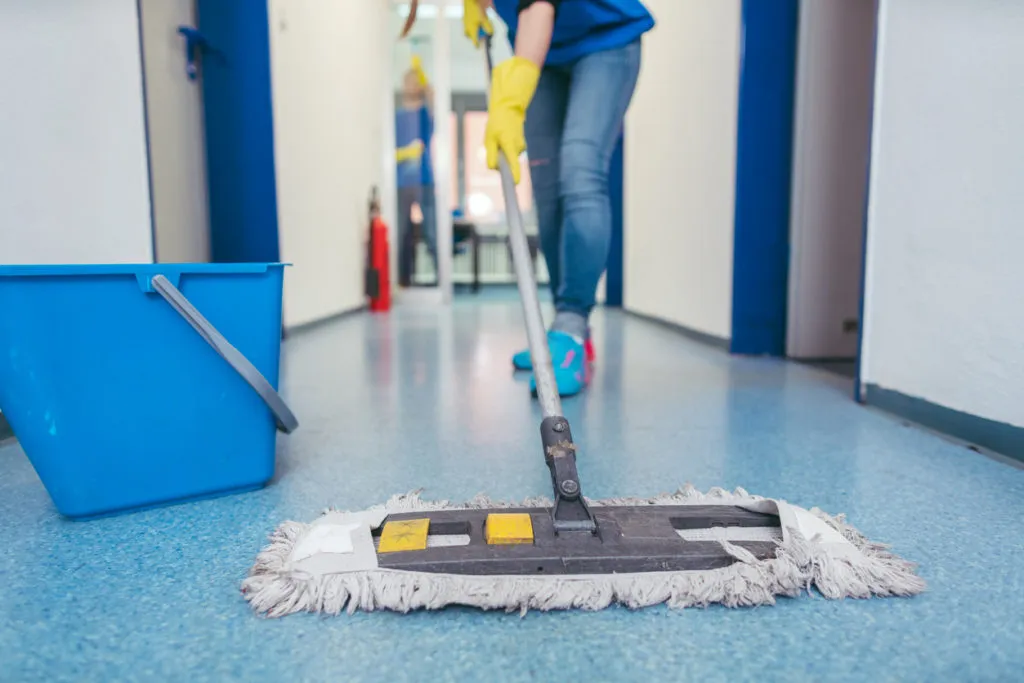
Choosing a commercial cleaner in Manhattan requires more than comparing monthly prices. Businesses work in offices, retail stores, restaurants, medical spaces, and other properties with different layouts and traffic patterns. A strong cleaning plan should fit the building and the way people use it.
Before comparing commercial cleaning services in Manhattan, write down your building's entry procedures and the hours in which work is permitted. Then connect those constraints to the task list. A provider should explain how the proposed service will function in that actual window.
Understand the Property Before Comparing Cleaners
Identify the actual spaces that require service. List offices, entrances, restrooms, kitchens, common areas, meeting rooms, storage spaces, floors, glass, and specialty areas. A property walkthrough is useful because square footage does not show the full cleaning workload. Manhattan properties can have security desks, controlled entrances, freight elevators, loading restrictions, and limited service windows.
Ask the cleaning company how cleaners will enter the building, where equipment can be stored, and whether supplies can remain onsite. Access conditions can affect labor time. High-traffic areas usually need more attention. Entrances, elevators, restrooms, reception spaces, corridors, and customer areas can become dirty faster than private offices.
The cleaning schedule should place labor where traffic is highest. A business and its cleaning provider may agree on a convenient service time that does not match the building's operating arrangements. Bring the property manager or relevant building contact into the discussion before confirming the schedule. Ask about entry procedures, equipment routes, approved storage, and any requirements for contractors.
These details vary by property, so a general claim about local experience is not enough. The provider should be able to explain how it will work within your building's actual instructions. That coordination can prevent a booked visit from losing valuable time before the team reaches the workspace.
Resolve Access and Service Timing
After-hours cleaning can reduce disruption, but daytime cleaning may be useful for customer-facing spaces. Discuss employee activity, meetings, customer traffic, building rules, and security before choosing the schedule. Ask exactly what the routine service includes. A proposal may cover floors, restrooms, kitchens, dusting, waste, and shared spaces. Periodic services such as carpet extraction, detailed floor care, or interior glass should be identified separately.
Manhattan properties can contain carpet, tile, stone, vinyl, wood, and other surfaces. Ask how each surface will be maintained and whether machine cleaning or periodic restoration is included. Restrooms often need a clear schedule because traffic can change throughout the day. Confirm fixture cleaning, floors, mirrors, partitions, waste, and supply responsibilities.
A business may control its suite while the building maintains corridors, lobbies, or shared restrooms. Mark those boundaries during the walkthrough and identify any areas where responsibilities overlap. Otherwise, the cleaning proposal may include work already covered elsewhere or omit an area both parties assume the other will handle.
Ask who reports problems in shared spaces and whether the tenant needs separate approval for additional service. Clear boundaries improve the quote comparison and give employees a straightforward route for reporting issues without expecting the tenant's cleaner to take responsibility for the entire property.
Review the Tasks and Inspection Process
Ask who handles missed tasks, schedule changes, additional service, and access problems. A clear contact process makes the relationship easier to manage. Find out whether the company uses checklists, supervisor inspections, customer reviews, or other quality-control methods. A documented process can make recurring service more consistent. Give each provider the same property information.
Compare visits, labor, task scope, supplies, equipment, periodic services, access requirements, and additional charges. This is more useful than comparing monthly totals alone. Businesses in Manhattan may have busy sidewalks, deliveries, tenant schedules, visitors, and strict building rules. A cleaning plan that ignores these factors can look reasonable on paper but fail in daily use.
A short overnight window can look sufficient until access checks, equipment movement, and room availability are considered. Ask the provider to describe the sequence of work rather than simply promising completion before opening. Identify any rooms that remain occupied late and any areas that must be ready early.
If only one elevator or entrance can be used, discuss how that affects setup. These are property-specific planning questions, not reasons to assume every building is difficult. A realistic sequence helps both sides decide whether the proposed staffing can complete the agreed tasks within the available time.
Compare Proposals for the Actual Building
Businesses change. A new tenant, expanded office, renovation, event, or seasonal rush may require additional service. Ask how the provider handles temporary increases and permanent scope changes. For companies researching commercial cleaning services in Manhattan, a local walkthrough is a useful starting point.
Manhattan businesses should choose a cleaning provider based on fit, reliability, communication, and scope rather than a low starting number. A cleaning provider should understand the building before the first visit. Ask the team to review floors, restrooms, kitchens, common areas, entrances, glass, and any specialty spaces. This makes the proposal more specific to the Manhattan property.

Where supplies and equipment are stored can affect the cleaning workflow. Some buildings have limited storage or strict rules about freight elevators. Discuss these details before service begins. After the first few weeks, managers can review whether the schedule matches actual traffic. Look at visible floors, restrooms, entrances, customer areas, and communication.
If a high-use area needs more attention, the plan can be adjusted. Reception glass and meeting rooms can have a strong visual effect, but they should not consume attention at the expense of restrooms, food areas, and waste. During the walkthrough, explain which spaces visitors see and which areas receive the heaviest staff use.
Ask for a routine that covers both presentation and everyday upkeep. A provider should be able to distinguish a visible fingerprint from a recurring operational issue such as an overflowing bin. This helps the business evaluate results across the property instead of judging the entire service from the appearance of one entrance.
Allow for Events, Storage, and Delivery
Events, seasonal activity, renovations, and tenant changes can create temporary cleaning needs. Ask how additional visits are requested and priced so management is not making the process up during a busy period. The final agreement should state service areas, frequency, periodic tasks, supplies, access, payment terms, and cancellation requirements.
Manhattan businesses may host conferences, client events, launches, or seasonal activities that change the cleaning workload. Ask whether one-time additional service can be added without changing the entire recurring agreement. If floor machines, vacuums, carts, or other equipment must enter the building, discuss loading and storage arrangements.
A realistic service window should account for setup time as well as cleaning. Ask what happens if the building refuses entry, an approved contact is unavailable, or part of the property cannot be accessed. The agreement should explain the reporting process and how a return visit is handled.
Also discuss how the provider covers staff absence without changing agreed instructions or leaving restricted areas unprotected. These questions test the service plan rather than the sales pitch. A documented response is useful when your regular office manager is away because another employee can follow the same process instead of improvising access arrangements or approving an unexpected charge.
Review the Contract Against Results
A quarterly review can cover missed tasks, changing traffic, building rules, and new cleaning needs. This keeps the plan connected to the property rather than the conditions that existed when the contract started. Manhattan properties may include multiple floors, suites, shared spaces, and customer areas.
List each area so the provider can price the same scope. For larger properties, ask whether a supervisor reviews service and how problems are reported. A business may need more cleaning during events or less during temporary closures. The agreement should explain how those changes are handled.
Before renewing, compare the current scope with actual service records and the way the business now operates. Look for areas that repeatedly need extra attention, tasks that are no longer necessary, and periodic work that has been postponed. Ask whether staffing, access instructions, or frequency should change.
Renewal should not be based only on the previous year's price if the property has expanded or attendance has shifted. A practical review turns daily observations into a clearer contract and helps the business maintain a service arrangement that fits its present requirements.
Final Thoughts on Manhattan Service Logistics
Manhattan building logistics belong in the cleaning brief from the beginning. A suitable provider should explain how access, timing, tasks, and supervision work together. Review the agreement against the property you actually manage and update it when those conditions change.
Frequently Asked Questions
What should Manhattan businesses ask a commercial cleaning company?
Ask about service scope, frequency, staffing, building access, security procedures, supplies, quality checks, additional charges, and experience with similar properties. A written proposal makes the comparison easier. Confirm these details with the provider before booking.
Does building access affect commercial cleaning costs in Manhattan?
Yes. Security checkpoints, freight elevators, restricted floors, loading rules, parking, and limited cleaning windows can add labor time. These conditions should be discussed during the walkthrough and reflected in the proposal.
Is after-hours cleaning better for Manhattan offices?
It can reduce disruption, but daytime service may work better for high-traffic areas. The right schedule depends on employee activity, customer traffic, security, building rules, and the property's cleaning requirements.