How to Choose the Perfect Bezel Diamond Engagement Ring
By Antique cut
54 Views
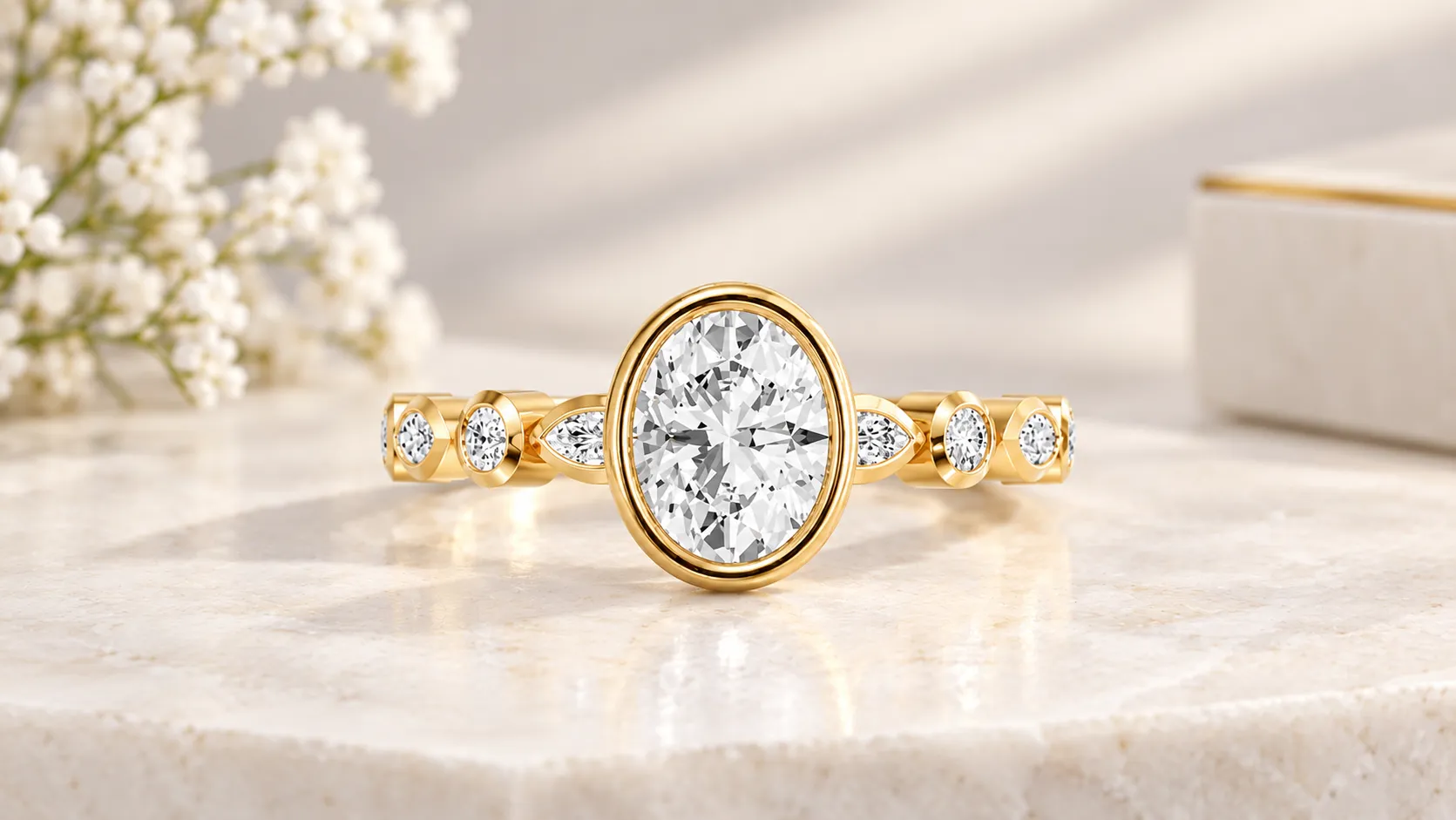
Choosing an engagement ring is a personal decision, especially when you want a setting that looks distinctive while also being practical for everyday wear. Bezel engagement rings are known for their clean metal border around the diamond, which holds the stone securely and gives the ring a distinctive appearance. If you are comparing different settings, you can explore bezel set engagement rings to see how this style works with different diamond shapes, metals, and band designs.
What Is a Bezel Diamond Engagement Ring?
A bezel setting holds a diamond with a thin rim of metal that surrounds part or all of its outer edge. Instead of using individual prongs to hold the stone, the metal surrounds the diamond and keeps it firmly in place.
This design has been used in jewelry for generations and remains a practical choice for people who want a ring that can be worn regularly. The smooth metal edge also creates a neat outline around the center stone.
A bezel diamond engagement ring can be designed in several ways. A full bezel surrounds the entire perimeter of the diamond, while a partial bezel leaves small sections of the stone exposed. The right option depends on the diamond shape, personal style, and the overall design you want.
Start With the Diamond Shape
The diamond shape should be one of the first things you consider. A bezel setting can work with many popular shapes, but each one creates a different look.
Round Diamond
Round diamonds pair naturally with bezel settings because of their balanced shape. A round center stone can create a simple design that works well for everyday wear.
Oval Diamond
An oval diamond gives the ring a longer visual profile. When surrounded by a metal bezel, the shape becomes the main feature of the design.
Emerald Cut
An emerald-cut diamond has long, straight facets and a rectangular outline. A bezel can emphasize its clean lines and create a structured appearance.
Pear Shape
A pear-shaped diamond has one pointed end and one rounded end. If you choose this shape, pay attention to how the bezel follows the point so the diamond remains properly protected.
Marquise Diamond
The long, narrow profile of a marquise diamond can make a bezel ring look distinctive. The metal border should follow the curves and points of the stone accurately.
When choosing your diamond shape, think about what you normally wear and how the ring will fit with your other jewelry.
Consider the Metal
The metal affects the color and overall appearance of the ring. Common choices include yellow gold, white gold, rose gold, and platinum.
Yellow gold gives the ring a warm appearance and can create a noticeable contrast with a colorless diamond.
White gold offers a bright metal surface that blends naturally with a diamond.
Rose gold has a pink-toned appearance and can give the ring a different character without changing the basic bezel design.
Platinum is another option for buyers who want a durable precious metal with a naturally white appearance.
There is no single metal that works for everyone. Consider the jewelry you already wear, your preferred metal color, and how you expect to wear the engagement ring.
Think About Full or Partial Bezel Settings
One of the most important choices is deciding how much of the diamond you want the metal to cover.
A full bezel surrounds the entire edge of the center stone. This creates a continuous metal border and provides coverage around the diamond.
A partial bezel uses metal around selected areas while leaving other sections more open. This can provide a lighter visual effect while maintaining the basic character of a bezel setting.
Look closely at both options before making your decision. The choice can change how the center stone looks and how the ring sits on your finger.
Choose a Band That Fits Your Style
The band is another important part of the ring. A simple band can keep attention on the center diamond, while a more detailed band can add additional design elements.
You might consider a plain metal band if you prefer a clean appearance. For something more detailed, small diamonds can be added along part of the band.
The width also matters. A narrow band can make the center stone appear more prominent, while a wider band can give the ring a stronger visual presence.
When comparing unique bezel engagement rings, look at the complete design rather than focusing only on the center diamond. The relationship between the bezel, band, shoulders, and gallery determines how the finished ring looks.
Look at the Ring From Different Angles
A ring may look different from the top, side, and back. Before choosing your design, examine each angle carefully.
From the top, pay attention to the shape of the bezel and how much metal surrounds the diamond. From the side, check the height of the setting. A lower profile may be useful if you prefer a ring that does not catch easily on clothing.
The underside is also worth checking. Look for an open or closed gallery and consider how easily the ring can be cleaned.
These small details can make a noticeable difference once you begin wearing the ring every day.
Consider a Bezel Solitaire
If you prefer a straightforward engagement ring design, a bezel solitaire engagement ring can be a good option to consider.
A solitaire places the focus on one center diamond rather than using several stones across the ring. Combined with a bezel setting, the result is a simple design with a clear outline around the diamond.
This style can work particularly well for buyers who want a ring that feels personal without having too many decorative elements.
You can also choose different band widths, metal colors, and diamond shapes to make the solitaire design your own.
Think About Everyday Wear
An engagement ring is usually worn frequently, so practical details matter.
The smooth outer edge of a bezel setting can be useful for people who work with their hands or prefer jewelry with fewer exposed edges. Since the metal surrounds the diamond, there are no individual prongs extending around the stone in the same way as a traditional prong setting.
However, every ring still requires care. Dirt and residue can collect around the setting, particularly underneath the center stone. Regular cleaning and occasional professional inspection can help keep the ring in good condition.
If you lead an active lifestyle, ask the jeweler about the setting's construction, metal thickness, and how the center stone is secured.
Decide Between Natural and Lab-Grown Diamonds
Another decision is choosing the type of diamond.
A natural diamond forms underground over a very long period. A lab-grown diamond is produced in a controlled laboratory environment and has the same basic chemical composition and crystal structure as a natural diamond.
If you are considering a lab grown bezel engagement ring, compare the diamond based on the same important characteristics you would use for a natural diamond. These include cut, color, clarity, carat weight, and certification.
The choice between natural and lab-grown depends on your preferences, budget, and what matters most to you when buying an engagement ring.
Pay Attention to Diamond Proportions
Carat weight alone does not determine how large a diamond appears. The stone's dimensions and proportions also affect its visual size.
Two diamonds with the same carat weight can have different measurements. When the diamond is placed inside a bezel, the proportions of the stone and the surrounding metal should work together.
Ask to see the diamond's measurements along with its carat weight. If you are shopping online, look for detailed product specifications and clear images from several angles.
Check the Ring Size Carefully
Getting the correct ring size is essential. A bezel setting does not change the basic importance of proper sizing.
If the ring is too loose, it may move around your finger. If it is too tight, it can become uncomfortable, particularly when your fingers swell during warmer weather.
If you are buying a surprise engagement ring, consider borrowing a ring that the recipient already wears on the intended finger, if possible. A jeweler can use it as a reference, although finger sizes can vary between hands and fingers.
If you already know the correct size, provide the exact measurement when ordering.
Set a Realistic Budget
Before shopping, decide how much you are comfortable spending. Your budget can help narrow down choices for the diamond, metal, setting, and additional stones.
Rather than focusing only on carat weight, compare the complete ring. A smaller diamond with strong cut quality may have a different appearance from a larger diamond with weaker proportions.
Also remember to account for possible additional costs such as resizing, engraving, insurance, or future maintenance.
A well-planned budget makes it easier to compare rings without becoming distracted by designs outside your price range.
Where to Explore Bezel Ring Designs
Once you know your preferred diamond shape, metal, setting, and budget, you can start comparing specific designs. Antiquecut offers different ring styles for shoppers who want to look at lab-grown diamond options and bezel-inspired designs.
When browsing, compare more than the product photograph. Check the diamond specifications, metal details, ring dimensions, available sizes, certification information, and return or exchange policies.
If you are buying online, clear product information is especially important because you cannot physically inspect the ring before placing the order.
Questions to Ask Before Buying
Before completing your purchase, ask the jeweler or retailer a few basic questions:
- What diamond shape and measurements are available?
- Is the center diamond certified?
- What type of metal is used?
- Is the bezel full or partial?
- Can the ring be resized?
- What maintenance does the setting require?
- What is the return or exchange policy?
- Is insurance recommended for the ring?
- Are different diamond sizes available?
Getting clear answers can help you understand exactly what you are purchasing.
Final Thoughts
Choosing the right bezel diamond engagement ring comes down to several individual decisions. Start with the diamond shape, then consider the metal, bezel design, band, ring size, and budget. Think about how the ring will fit into everyday life rather than choosing based only on its appearance in a photograph.
Whether you prefer a simple solitaire, a detailed band, or a lab-grown center diamond, take time to compare the construction and specifications of each ring. A thoughtful selection process makes it easier to find a bezel design that suits the person who will wear it and the way they plan to enjoy it every day.