How Oval Diamonds Create a Larger Look
By Antiqucut
37 Views
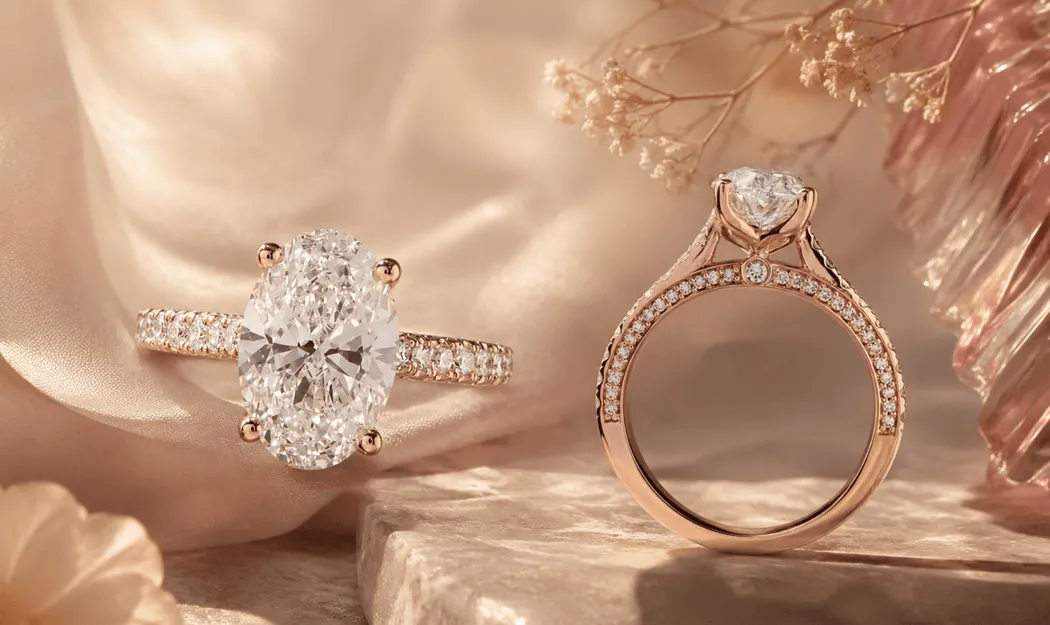
When choosing a diamond for an engagement ring, size is often one of the first things people notice. Yet carat weight alone does not determine how large a diamond appears once it is worn. Shape, proportions, length, width, and the way the stone covers the finger can all affect its visual presence. This is one reason lab grown oval diamond engagement rings are popular among shoppers who want a noticeable center stone without simply increasing carat weight.
The oval shape has a longer outline than many traditional diamond shapes, giving it a broad appearance from the top. Its elongated form can also create more finger coverage, which may make the center stone look larger than another diamond with the same carat weight. For buyers considering a lab grown oval diamond ring, understanding this visual effect can make the selection process much easier.
Why Oval Diamonds Can Look Bigger
An oval diamond combines a rounded outline with an elongated shape. When viewed from above, its surface can appear larger because the diamond stretches farther across the finger from end to end.
This creates what shoppers often call a larger face-up appearance. Two diamonds can weigh the same but look noticeably different when placed beside each other. A round diamond, for example, may have a different spread across the finger compared with an oval diamond of similar weight.
The difference does not mean that one diamond contains more material. Instead, it comes from how the carat weight is distributed throughout the stone and how much of the diamond is visible from the top.
This is particularly useful for shoppers who want strong finger coverage while keeping their budget under control. You can explore designs lab grownoval diamond engagement rings to understand how various settings and cuts influence overall appearance.
Length-to-Width Ratio Matters
One of the most important measurements to consider when choosing an oval diamond is the length-to-width ratio.
This ratio compares the diamond's length with its width. A higher ratio creates a slimmer, more elongated outline, while a lower ratio produces a wider oval appearance.
For example, imagine two oval diamonds with similar carat weights. One may have a longer and narrower outline, while another may have a shorter and wider shape. Both can look attractive, but they will create different impressions when worn.
There is no single ratio that works for everyone. Some shoppers prefer a long, slender outline, while others like an oval that looks fuller across the finger.
Your hand shape and personal preference should therefore play an important role. Looking at the actual measurements rather than relying only on carat weight can help you understand how much surface area the stone may provide.
Face-Up Size vs. Carat Weight
Carat weight measures how much a diamond weighs, not exactly how large it looks from above.
This distinction is important when comparing diamonds. A stone with a higher carat weight does not always appear dramatically larger than a lighter stone. Depending on the cut and proportions, a diamond with a lower weight can sometimes have a broad face-up appearance.
Oval diamonds can benefit from this visual relationship because their elongated outline gives them considerable finger coverage.
When comparing stones, look at measurements such as length and width alongside carat weight. This gives you a clearer idea of how the diamond will appear when set into an engagement ring.
For shoppers looking at lab grown oval diamond rings, comparing these measurements can be especially helpful because it allows you to focus on visible size rather than relying on the carat number alone.
The Role of Diamond Proportions
Proportions influence how an oval diamond distributes its weight and how it looks from above.
Depth is one measurement worth paying attention to. If too much of the diamond's weight is concentrated below the visible portion, the stone may not provide as much face-up coverage as its carat weight suggests.
A well-balanced diamond can use its material effectively while maintaining a pleasing outline.
Table size, depth, length, and width work together rather than functioning as isolated numbers. That is why comparing a few diamonds side by side can be more informative than choosing a stone based on one specification.
The goal is to find a combination that provides the appearance you prefer while also fitting your budget and quality expectations.
Why Elongated Shapes Provide More Finger Coverage
One of the biggest advantages of an oval diamond is the way its length extends across the finger.
The eye naturally follows the longer outline, which can make the center stone appear prominent. Instead of looking compact, the diamond occupies more visual space from one end to the other.
This effect can also make the finger appear longer and slimmer, depending on the proportions of the stone and the wearer's hand.
A wider oval can create a fuller appearance, while a narrower oval can produce a more elongated effect. The same carat weight can therefore produce very different results depending on the selected proportions.
This makes trying different shapes and proportions worthwhile before making a final decision.
How Cut Quality Affects Visual Size
Cut quality is another important factor when evaluating the appearance of an oval diamond.
The arrangement and interaction of its facets determine how light behaves within the stone. A well-cut diamond can have strong visual presence, while a poorly proportioned stone may appear less lively even when it has a higher carat weight.
Oval diamonds can also show areas where light and dark patterns vary across the stone. Shoppers should examine the actual diamond carefully rather than assuming that every oval with the same specifications will look identical.
Videos and high-resolution images can help when shopping online. They allow you to examine the stone from different angles and compare its face-up appearance with other options.
When considering a lab grown oval diamond ring, pay attention to the overall appearance instead of selecting the highest carat weight available at a particular price.
The Bow-Tie Effect and Its Visual Impact
Oval diamonds can sometimes display a darker area across the center known as a bow-tie effect.
This happens because of the way certain facets interact with light and the viewing angle. Some amount of contrast can be part of the character of an oval diamond, but a very prominent dark band may affect how large and bright the center stone appears.
A diamond with a strong bow-tie may look less evenly illuminated across its surface.
When shopping online, inspect videos whenever possible. A still photograph may not reveal how the stone responds as it moves.
Instead of rejecting every oval with some contrast, look for a balance that is pleasing to your eye. Personal preference plays a major role in this aspect of oval diamonds.
Choosing Carat Weight for a Larger Appearance
If visual size is your priority, do not automatically focus on the largest carat weight you can afford.
Instead, compare stones based on their measurements. A slightly lighter oval with greater length and width may provide more visible finger coverage than another stone with a similar or even higher carat weight.
For example, two stones could have close carat weights but different dimensions. The diamond with greater face-up measurements may look larger when worn.
This approach can help you make better use of your budget. Rather than paying entirely for additional weight, you can focus on how much of the diamond is actually visible.
That is one reason many shoppers compare lab grown oval diamond rings by dimensions as well as carat weight.
How Finger Size Changes the Perception of Size
The same oval diamond can look different from one hand to another.
On a smaller finger, a particular diamond may provide substantial coverage. On a larger finger, the same stone may appear more delicate.
This does not mean there is a correct diamond size for a particular hand. It simply shows why photographs and measurements should be considered together.
If possible, look at rings worn on hands with proportions similar to your own. This can give you a better idea of how the diamond might appear after it is set.
The length of an oval can also affect the visual direction of the ring. When positioned vertically along the finger, the elongated outline can create a longer visual line.
Setting and Band Proportions
The surrounding ring design can also influence how large the center diamond appears.
A slim band may place greater visual attention on the center stone. A wider band can create a different balance and may make the center diamond appear smaller by comparison.
The amount of metal visible around the diamond can also affect the overall impression.
However, it is best to choose the ring structure based on comfort, durability, and personal taste rather than trying to create size through the setting alone.
The center diamond remains the main factor in the visual coverage of the ring.
Why Lab Grown Diamonds Can Be Worth Considering
Lab grown diamonds have the same basic crystal structure and physical characteristics as diamonds formed naturally underground. They are produced in controlled environments and can be available in a broad range of shapes, sizes, colors, and clarity grades.
For buyers focused on visual size, lab grown diamonds can offer an opportunity to compare larger center stones within a planned budget.
That can make it easier to explore different oval proportions instead of choosing solely according to the lowest carat weight that fits the price range.
Antiquecut offers shoppers an opportunity to compare oval diamond designs while considering measurements, proportions, and overall appearance.
How to Compare Oval Diamonds Online
Buying online requires a slightly different approach because you cannot immediately place the ring on your hand.
Start by reviewing the diamond's length, width, depth, carat weight, color, and clarity. Then look for clear images and videos that show the stone from different angles.
Do not judge size based on a photograph alone. Images can be enlarged on a screen, making a diamond appear much bigger than it will look in person.
Instead, compare the listed measurements with familiar objects or an actual ring size reference. If a retailer provides an on-hand image or video, use that as another point of comparison.
It can also help to compare several stones rather than making a decision after viewing only one.
What Makes an Oval Look Noticeably Large?
Several factors can work together to create a larger visual effect:
- Greater face-up length and width
- A balanced length-to-width ratio
- Effective distribution of carat weight
- Suitable depth
- Good overall proportions
- A pleasing facet pattern
- A ring band that does not overpower the center stone
- A diamond size that complements the wearer's finger
None of these factors should be considered alone. A diamond can have impressive measurements but still fail to match your preferred appearance.
The best choice is the one that gives you the visual coverage, proportions, and overall look you want.
A Practical Way to Shop for Size
When shopping for an oval diamond, create a shortlist of several stones with similar carat weights.
Write down their length and width measurements and compare them side by side. Then look at videos of each stone under different lighting conditions.
Next, consider color and clarity. A diamond with suitable clarity and color can provide a pleasing appearance without requiring you to spend your entire budget on carat weight.
Finally, consider how the diamond will look with the ring band you have selected.
This process keeps the decision focused on the complete ring rather than one number on a certificate.
If you are comparing different shapes and sizes before making a decision, see more options to understand how proportions can change the appearance of an oval diamond.
Final Thoughts
Oval diamonds can create a larger look because their elongated outline provides strong face-up coverage across the finger. Their visual size is influenced by more than carat weight, making length, width, depth, proportions, and cut quality important factors to consider.
For shoppers interested in lab grown oval diamond rings, comparing measurements can be a practical way to find a center stone that looks substantial without automatically choosing the highest carat weight.
A larger-looking diamond does not have to come from simply increasing size on the certificate. By paying attention to proportions and how the stone actually appears from above, you can find an oval diamond that offers the visual presence you want while staying within your planned budget.