How Local Sports Clubs Can Attract More Players to Events
By WNY Tennis
19 Views
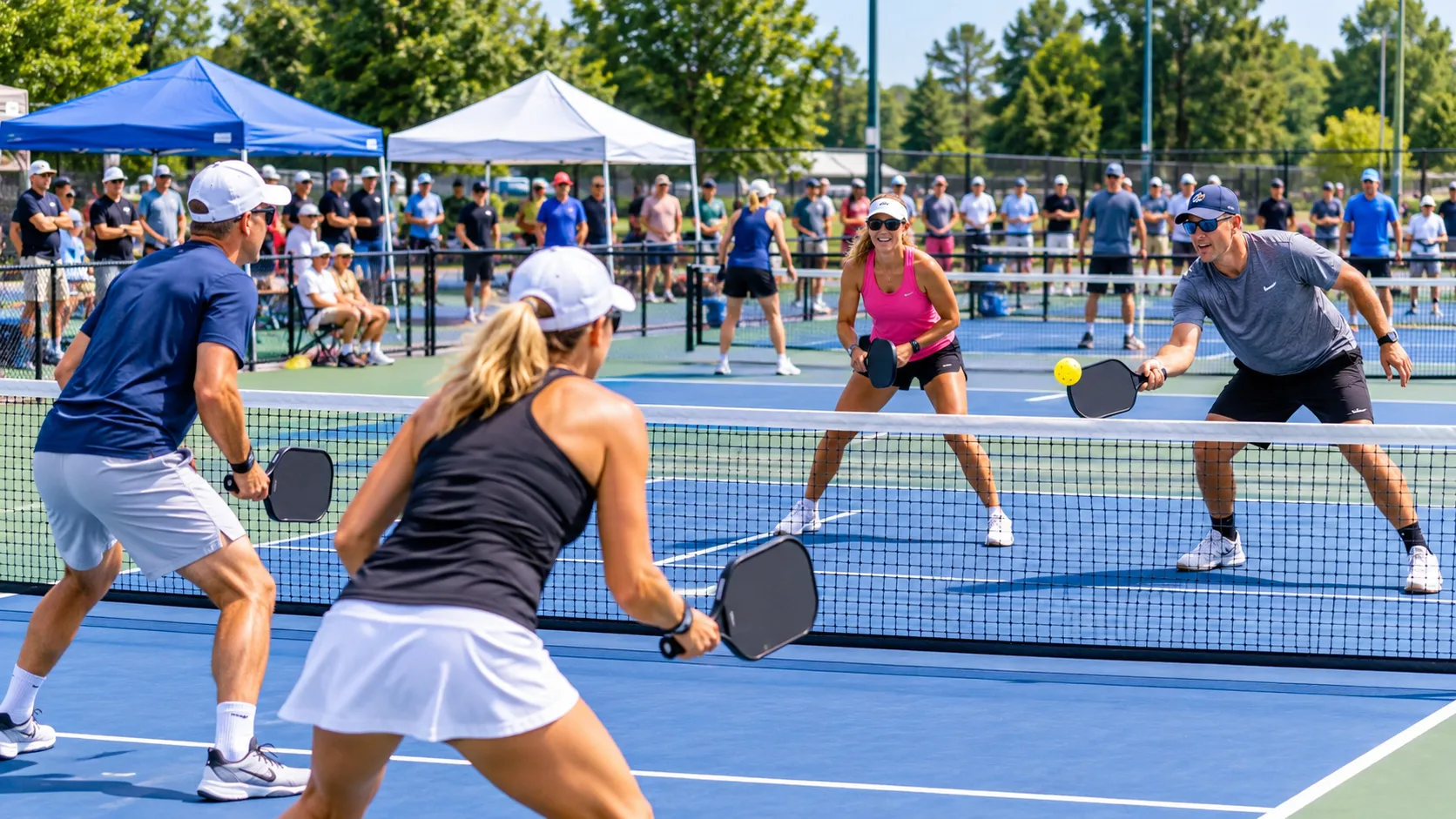
Local sports clubs play an important role in bringing people together through fitness, friendly competition, and shared interests. Whether a club organizes tennis tournaments, pickleball sessions, social matches, or beginner-friendly activities, successful events can strengthen community connections and introduce new people to the sport. However, attracting participants requires more than simply announcing an upcoming event. Clubs need to create experiences that make people excited to participate.
Effective sports club event planning involves understanding what players enjoy, making activities accessible, and communicating the value of getting involved. With the right approach, local clubs can increase attendance, encourage repeat participation, and build a stronger sporting community.
1. Organize Events for Different Skill Levels
One of the most effective ways of attracting players to sports events is to make sure everyone feels welcome. Many beginners hesitate to attend sports activities because they worry about competing against experienced players. At the same time, advanced players want opportunities to challenge themselves and improve their performance.
Clubs can address these different expectations by organizing events for specific skill levels. Beginner-friendly tennis sessions, introductory pickleball activities, intermediate round-robin matches, and competitive tournaments can appeal to different groups.
Offering separate divisions also creates a more comfortable environment for participants. New players can develop confidence without unnecessary pressure, while experienced athletes can enjoy meaningful competition.
Including social doubles matches and mixed-level activities is another excellent way to encourage participation. These formats allow players to meet others, develop their skills, and enjoy the experience regardless of their current ability.
2. Use Social Media to Build Event Awareness
Even a well-organized event can struggle with attendance if people do not know about it. Social media provides local sports clubs with an affordable way to reach potential participants and keep existing members informed.
Clubs can promote upcoming activities through Facebook, Instagram, and other relevant platforms. Instead of sharing only event dates and registration details, they should publish engaging content that shows people what they can expect.
Short videos of previous tournaments, photographs of players enjoying friendly matches, practice highlights, and behind-the-scenes preparations can generate interest. Sharing participant experiences also helps potential attendees understand the welcoming atmosphere of the club.
Event announcements should include essential information, such as the date, time, location, registration process, skill requirements, and participation fees when applicable.
Consistent communication is equally important. Promoting an event several weeks in advance, sharing reminders, and posting final registration updates can help keep it visible and encourage people to sign up.
3. Create Social and Community-Focused Activities
Not everyone joins a sports event because they want to win a competition. Many people are interested in meeting others, staying active, and enjoying time outside their regular routines.
This makes social activities an important part of successful local racket sport activities. Clubs can organize tennis mixers, pickleball social nights, family sports days, doubles challenges, and friendly club competitions.
These events create opportunities for players to interact with people they might not normally meet during regular practice sessions.
Family-oriented activities can be especially valuable for attracting new participants. Parents and children can enjoy introductory lessons, recreational matches, and group activities together. Similarly, adult beginner sessions can encourage people who have never played before to try something new.
A welcoming environment helps participants feel connected to the club. When people associate sporting events with friendship, enjoyment, and positive experiences, they are more likely to return and invite others.
4. Partner With Local Businesses and Community Organizations
Community partnerships can help sports clubs reach audiences beyond their existing membership. Local schools, fitness centers, community organizations, and businesses may have connections with people who are interested in recreational sports.
For example, a tennis club could collaborate with a nearby school to introduce junior tennis activities. A pickleball facility might work with a fitness center to organize a beginner-friendly sports evening.
Local businesses can also support tournaments through sponsorships, promotional offers, or event contributions. In return, clubs can acknowledge their partners through social media posts, event banners, and promotional materials.
These relationships benefit both sides. Clubs gain additional visibility and potential participants, while community partners receive opportunities to connect with local residents.
Building these partnerships over time can create a reliable network for promoting future activities and supporting community sports development.
5. Make Registration Simple and Participation Convenient
Sometimes, players are interested in attending an event but decide not to register because the process feels complicated. A simple registration experience can remove unnecessary barriers and improve participation.
Clubs should provide clear online registration options whenever possible. A straightforward sign-up form should explain the event format, schedule, skill requirements, fees, and available spaces.
Convenient scheduling also matters. Events organized around common work, school, and family commitments are more likely to attract participants. Evening sessions and weekend activities can provide greater flexibility for people with busy schedules.
Clubs should also communicate what participants need to bring, whether equipment is provided, and what they can expect upon arrival.
For beginners, providing access to loaner rackets or paddles can make trying a new activity easier. Small details like these demonstrate that the club has considered the needs of its participants.
6. Encourage Repeat Participation Through Positive Experiences
Attracting players to one event is valuable, but building long-term participation is even more important. A successful club creates experiences that make people want to return.
Organizers should welcome participants, maintain an organized schedule, and ensure activities run smoothly. Friendly staff, helpful coaches, clear instructions, and well-maintained courts all contribute to a positive experience.
After an event, clubs can share photographs, recognize participants, and thank everyone who attended. Asking for feedback can also reveal what players enjoyed and what could be improved.
Another effective strategy is to introduce a regular event calendar. Monthly pickleball socials, seasonal tennis tournaments, weekly recreational matches, and junior development activities give participants something to look forward to.
Clubs can also encourage attendees to bring friends or family members to future events. Personal recommendations are often a powerful way to introduce new people to local sporting communities.
Building a More Active Local Sports Community
Attracting more participants requires a combination of thoughtful organization, effective promotion, and genuine community engagement. Local sports clubs can increase event attendance by offering activities for different skill levels, using social media consistently, creating welcoming social experiences, and developing partnerships with nearby organizations.
Successful sports club event planning is not just about filling available court time. It is about creating opportunities for people to stay active, improve their abilities, build friendships, and discover the enjoyment of racket sports.
For clubs offering tennis and pickleball, every well-organized event can introduce someone new to the game and strengthen connections within the community. By focusing on accessibility, enjoyment, and consistent communication, local sports clubs can create events that players are excited to attend again and again.