How Can a Nasha Mukti Kendra Change Your Life?
By naveen kumar
150 Views
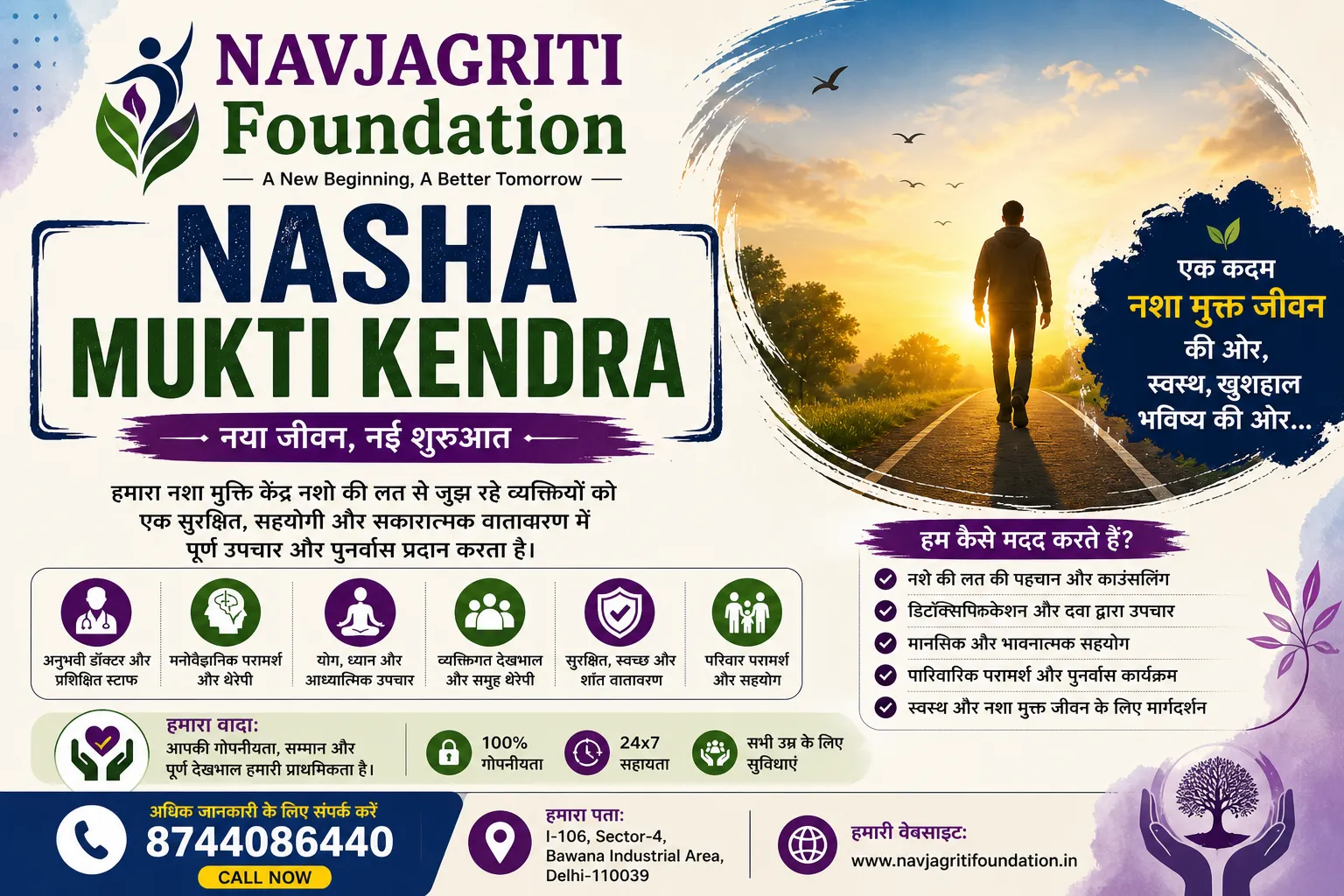
How Can a Nasha Mukti Kendra Change Your Life?
Life can take unexpected turns. Sometimes, a habit that starts as curiosity, stress relief, or social influence gradually becomes difficult to control. Over time, substance dependence can affect physical health, personal relationships, career growth, and emotional well-being. Many people feel trapped in a cycle they desperately want to escape but do not know how.
With the right support, guidance, and environment, individuals can regain control of their lives. A Nasha Mukti Kendra plays an important role in helping people move from dependence toward a healthier and more meaningful future.
Recovery Begins with Understanding the Problem
One of the biggest challenges people face is accepting that they need help. Many individuals spend months or even years believing they can manage the situation on their own. Unfortunately, addiction often becomes stronger over time, making recovery more difficult without professional support.
An effective recovery program begins by helping individuals understand how their habits are affecting different areas of life. This awareness becomes the first step toward positive change. Once a person recognizes the impact on their health, relationships, and personal goals, they are more likely to commit to the recovery journey.
Creating Distance from Negative Influences
Environment has a powerful influence on behavior. People trying to quit harmful substances often return to the same surroundings, friends, or situations that encouraged those habits in the first place.
A Nasha Mukti Kendra provides a structured setting where individuals can temporarily step away from those influences. This change of environment allows them to focus completely on healing without daily distractions or pressures.
In a supportive atmosphere, individuals can begin developing healthier routines and making decisions that support long-term recovery.
Rebuilding Physical and Emotional Well-Being
Addiction can affect both the body and the mind.
Recovery programs focus on improving overall well-being through a combination of support services and healthy lifestyle practices. Individuals often participate in wellness activities, counselling sessions, and routines that encourage balance and self-care.
As physical and emotional health improve, people begin feeling stronger, more confident, and better prepared to face everyday challenges.
Learning New Ways to Handle Stress
Stress is one of the most common reasons people return to harmful habits. Without healthy coping skills, even minor difficulties can feel overwhelming.
Individuals learn practical techniques for managing stress, handling emotional situations, and making better decisions.
Instead of relying on substances during difficult moments, they develop healthier alternatives that promote stability and personal growth.
Restoring Relationships and Trust
Addiction rarely affects only one person. Family members, friends, and colleagues often experience the consequences as well. Communication problems, broken trust, and emotional distance can develop over time.
Recovery gives individuals an opportunity to rebuild these important relationships. Through family support programs and honest conversations, people can begin repairing connections that may have been damaged.
Many individuals discover that recovery not only changes their own lives but also improves the well-being of those around them.
Building Confidence Through Small Successes
One of the most valuable outcomes of recovery is renewed self-confidence. Many people struggling with addiction begin to doubt themselves after repeated setbacks.
A quality Nasha Mukti Kendra helps individuals focus on achievable goals and celebrate progress along the way. Whether it is completing a counselling session, following a healthy routine, or reaching a recovery milestone, every success contributes to greater confidence.
Over time, these achievements help individuals believe in their ability to create lasting positive change.
Preparing for a Better Future
Recovery is not simply about stopping harmful behavior. It is about creating a life that feels meaningful and rewarding without dependence on substances.
Effective recovery programs encourage individuals to set goals related to education, employment, relationships, and personal development. These goals provide direction and motivation during the recovery process.
By focusing on the future rather than the past, individuals can build a stronger sense of purpose and hope.
Ongoing Support Makes a Difference
Recovery continues long after a treatment program ends. Challenges may still arise, which is why ongoing support is so valuable.
The most successful recovery journeys often include follow-up guidance, relapse prevention planning, and continued encouragement. These resources help individuals stay focused on their goals and maintain healthy habits.
Organizations such as Navjagriti Foundation understand the importance of supporting individuals beyond the initial stages of recovery, helping them build a stable and fulfilling future.
Conclusion
A Nasha Mukti Kendra can change a person's life by providing structure, guidance, emotional support, and the opportunity to start fresh. Recovery is not about perfection; it is about making consistent progress toward a healthier and more positive future.
With professional help, family encouragement, and a commitment to change, individuals can overcome challenges, rebuild confidence, and create a life filled with purpose and possibility.
Frequently Asked Questions (FAQs)
1. How does a Nasha Mukti Kendra help someone recover?
It provides professional guidance, counselling, structured routines, and support that help individuals overcome addiction and build healthier habits.
2. Can recovery improve family relationships?
Yes. Recovery programs often include family support and communication strategies that help rebuild trust and strengthen relationships.
3. Why is a structured environment important during recovery?
A structured environment reduces distractions, removes negative influences, and helps individuals focus on healing and personal growth.
4. What skills do people learn during recovery?
Individuals learn stress management techniques, healthy coping strategies, communication skills, and relapse prevention methods.
5. Is long-term support necessary after treatment?
Ongoing support can help individuals stay motivated, manage challenges, and maintain positive lifestyle changes after completing a recovery program.