Hooklift Waste Trucks: The Complete Guide to Efficient Waste Collection and Container Transportation
By Keystone Waste Solutions LLC
74 Views
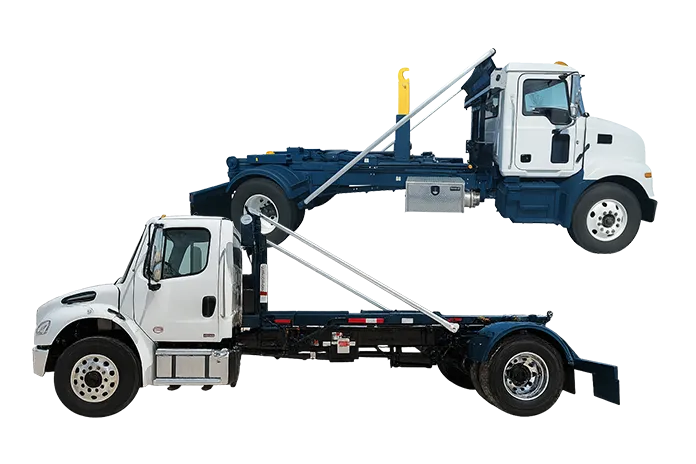
Understanding Hooklift Waste Trucks
Hooklift waste trucks are highly versatile commercial vehicles designed to transport, load, unload, and exchange various waste containers using a hydraulic hooklift system. Unlike traditional waste collection trucks that serve a single purpose, hooklift trucks can handle multiple container types with one chassis, making them an efficient solution for waste management companies, construction contractors, municipalities, recycling facilities, and industrial operations.
As waste management continues to evolve, businesses increasingly seek equipment that improves productivity while reducing fleet costs. Hooklift waste trucks provide exceptional flexibility by allowing operators to switch between containers for construction debris, recyclables, municipal waste, yard waste, scrap materials, and industrial refuse without changing vehicles.
Hooklift waste trucks maximize fleet efficiency by enabling a single vehicle to transport multiple container types, reducing downtime and increasing operational productivity.
What Are Hooklift Waste Trucks?
A hooklift waste truck is a commercial vehicle equipped with a hydraulic lifting mechanism that uses a movable hook arm to load and unload specially designed hooklift containers.
Instead of permanently attaching one body to the truck, operators can quickly exchange containers depending on the day's workload.
A typical hooklift waste truck consists of:
- Heavy-duty truck chassis
- Hydraulic hooklift hoist
- Extendable hook arm
- Hydraulic cylinders
- Rollers or guide rails
- Container locking mechanism
- Electronic or hydraulic control system
This design allows one truck to perform the work of several specialized vehicles.
How Hooklift Waste Trucks Work
The hooklift loading process is straightforward and efficient.
Step 1: Position the Truck
The operator aligns the truck with the container.
Step 2: Extend the Hook Arm
The hydraulic system extends the hook toward the container's lifting bar.
Step 3: Engage the Container
The hook securely connects to the container.
Step 4: Lift and Slide
Hydraulic power pulls the container onto the truck rails while maintaining stability.
Step 5: Secure the Load
The container is locked into position before transportation.
At the destination, the process is reversed for quick unloading.
Major Benefits of Hooklift Waste Trucks
Exceptional Versatility
The greatest advantage of hooklift systems is their ability to transport multiple container styles.
Common container applications include:
- Construction debris
- Recycling containers
- Scrap metal bins
- Municipal waste containers
- Yard waste bins
- Industrial waste containers
- Concrete washout containers
- Vacuum containers
Instead of purchasing separate trucks, businesses can simply exchange containers.
Increased Fleet Efficiency
A single hooklift truck can complete multiple jobs during one workday.
This improves:
- Fleet utilization
- Equipment availability
- Driver productivity
- Scheduling flexibility
Businesses can maximize vehicle usage while minimizing idle time.
Reduced Equipment Costs
Hooklift systems eliminate the need for several dedicated trucks.
Potential savings include:
- Lower fleet investment
- Reduced maintenance costs
- Fewer insurance expenses
- Simplified fleet management
Faster Container Exchange
Changing containers requires only a few minutes.
Quick exchange times help:
- Reduce downtime
- Increase daily job capacity
- Improve customer service
- Enhance operational efficiency
Common Applications
Hooklift waste trucks serve numerous industries.
Waste Management
Waste companies use hooklift trucks to transport:
- Municipal waste
- Commercial refuse
- Recycling containers
- Green waste
- Transfer station containers
Construction
Construction contractors rely on hooklift systems for:
- Demolition debris
- Roofing materials
- Concrete removal
- Excavation waste
- Building materials
The ability to switch containers increases jobsite flexibility.
Recycling Operations
Recycling facilities transport:
- Cardboard
- Metal
- Plastic
- Wood
- Electronic waste
- Mixed recyclables
Hooklift trucks simplify container rotation throughout recycling facilities.
Municipal Services
Cities and municipalities commonly use hooklift trucks for:
- Park maintenance
- Public works
- Street cleanup
- Storm debris collection
- Community recycling programs
Industrial Facilities
Manufacturing operations often require container transportation for:
- Production waste
- Scrap materials
- Packaging
- Bulk refuse
- Maintenance debris
Types of Containers Used
Hooklift waste trucks accommodate many container styles.
These include:
Roll-Off Containers
Ideal for:
- Construction debris
- Commercial waste
- Demolition projects
Recycling Containers
Used for:
- Cardboard
- Paper
- Plastic
- Aluminum
- Glass
Waste Compactors
Suitable for:
- Commercial refuse
- Retail waste
- Manufacturing facilities
Vacuum Containers
Designed for:
- Liquid waste
- Sludge
- Industrial cleanup
- Environmental services
Concrete Washout Containers
Construction companies frequently use hooklift trucks to transport concrete washout containers between jobsites.
Components of a Hooklift Waste Truck
Hydraulic System
The hydraulic system powers:
- Lifting
- Tilting
- Sliding
- Container loading
Reliable hydraulic performance is essential for smooth operation.
Hook Arm
The hook arm engages the container's lifting bar and pulls it safely onto the truck.
Truck Chassis
Heavy-duty commercial chassis provide:
- High payload capacity
- Stability
- Durability
- Long service life
Control System
Operators typically use in-cab or external controls to manage container loading and unloading.
Modern systems often include safety interlocks for improved operation.
Advantages Over Traditional Waste Trucks
FeatureHooklift Waste TruckTraditional Waste TruckMultiple Container TypesYesNoFast Container ExchangeYesLimitedFleet FlexibilityExcellentModerateEquipment UtilizationHighLowerOperational EfficiencyExcellentModerate
The versatility of hooklift trucks makes them especially valuable for businesses with diverse waste transportation needs.
Choosing the Right Hooklift Waste Truck
Several factors should be considered before purchasing.
Lifting Capacity
Select equipment capable of handling anticipated container weights safely.
Truck Size
Consider:
- Road access
- Jobsite conditions
- Payload requirements
- Fleet compatibility
Container Compatibility
Verify compatibility with existing containers or planned container purchases.
Hydraulic Performance
Reliable hydraulic systems improve:
- Loading speed
- Operational reliability
- Maintenance efficiency
Safety Best Practices
Safe operation requires proper training and routine inspections.
Recommended practices include:
- Inspect hydraulic components daily.
- Confirm container locks are fully engaged.
- Never exceed rated load capacity.
- Operate on stable, level surfaces whenever possible.
- Keep personnel clear during loading and unloading.
- Follow manufacturer operating procedures.
- Perform regular preventive maintenance.
Proper training and preventive maintenance help maximize equipment performance while promoting safe container handling.
Maintenance Tips
Routine maintenance extends equipment life and minimizes downtime.
Maintenance recommendations include:
- Inspect hydraulic hoses for leaks.
- Lubricate moving components.
- Check hook engagement mechanisms.
- Inspect container rails.
- Monitor hydraulic fluid levels.
- Replace worn components promptly.
- Schedule regular preventive servicing.
Well-maintained equipment delivers more reliable performance and lower long-term operating costs.
Environmental Benefits
Hooklift waste trucks contribute to sustainable waste management by supporting:
- Efficient waste collection
- Recycling programs
- Reduced fuel consumption through optimized fleet utilization
- Improved material separation
- Reduced unnecessary vehicle use
Their flexibility also enables organizations to transport specialized recycling and waste containers more effectively.
Technology Advancements
Modern hooklift waste trucks increasingly incorporate advanced technologies.
Examples include:
- Electronic hydraulic controls
- GPS fleet tracking
- Telematics systems
- Remote diagnostics
- Load monitoring
- Backup camera systems
These technologies improve safety, scheduling, and operational efficiency.
Industries That Benefit from Hooklift Waste Trucks
Many sectors rely on hooklift systems, including:
- Waste management companies
- Recycling facilities
- Construction contractors
- Municipal governments
- Public works departments
- Manufacturing facilities
- Landscaping companies
- Environmental service providers
- Demolition contractors
- Infrastructure maintenance organizations
Their adaptability makes hooklift trucks a valuable asset across numerous industries.
Future Trends
The future of hooklift waste trucks is being shaped by innovation and sustainability.
Key trends include:
- More fuel-efficient vehicle platforms
- Electric and hybrid truck development
- Smarter hydraulic systems
- Enhanced fleet management software
- Increased automation
- Improved container standardization
These advancements are expected to further improve productivity while reducing operating costs and environmental impact.
Conclusion
Hooklift waste trucks have become an essential solution for modern waste transportation, offering unmatched flexibility, efficiency, and versatility. Their ability to exchange multiple container types with a single vehicle allows businesses and municipalities to optimize fleet utilization, reduce equipment costs, and improve overall operational performance.
Whether transporting construction debris, recycling materials, industrial waste, or municipal refuse, hooklift systems provide a dependable and scalable solution for diverse waste management needs. As technology continues to advance and demand for efficient waste handling grows, hooklift waste trucks will remain a cornerstone of productive, cost-effective, and environmentally responsible fleet operations.
Related Reading
Why Business & Finance is Transforming the Global Industry Landscape
Welcome to our in-depth exploration of Business & Finance. In an era defined...
Expert Insights: Navigating the Complex World of Business & Finance
Welcome to our in-depth exploration of Business & Finance. In an era defined...