Essential Oral Hygiene Habits Every Child Should Learn Every Child Should Learn
By Loah
2 Views
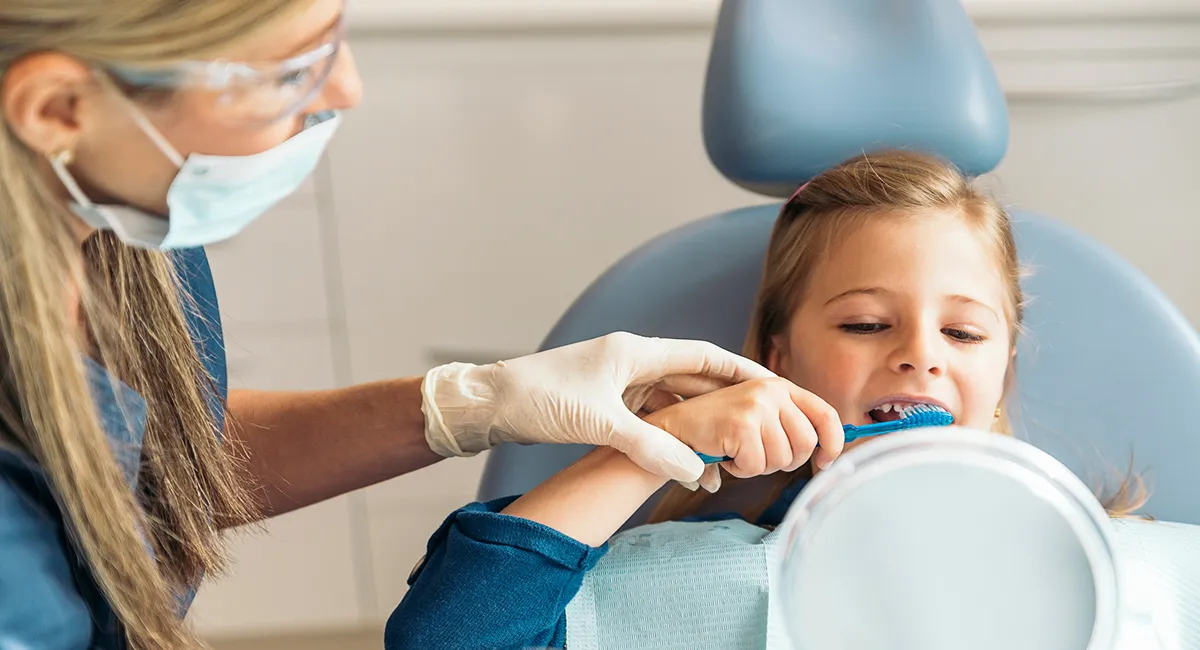
Good oral hygiene habits begin at an early age and play a vital role in maintaining healthy teeth and gums throughout life. Teaching children proper dental care not only helps prevent cavities and gum disease but also encourages confidence and overall well-being. Parents and caregivers can make a significant difference by introducing simple oral hygiene routines and reinforcing them consistently.
Start Brushing Early
One of the most important habits children should learn is brushing their teeth twice a day. Dental professionals recommend starting oral care as soon as the first tooth appears. Using a soft-bristled toothbrush and age-appropriate toothpaste helps remove plaque and food particles that can lead to tooth decay.
As children grow older, they should be encouraged to brush for at least two minutes each morning and before bedtime. Parents can supervise brushing to ensure all tooth surfaces are cleaned properly.
Make Flossing Part of the Routine
While brushing is essential, it cannot remove all debris from between the teeth. Flossing helps clean areas that a toothbrush may miss. Introducing flossing when two teeth begin touching can help children develop a complete oral hygiene routine.
Making flossing a daily habit can reduce the risk of cavities between teeth and support healthier gums.
Encourage Healthy Eating Habits
Diet plays a major role in oral health. Foods high in sugar can increase the risk of tooth decay, especially when consumed frequently throughout the day. Encouraging children to eat nutritious foods such as fruits, vegetables, dairy products, and whole grains supports stronger teeth and gums.
Water is also an excellent choice for hydration. Drinking water after meals can help wash away food particles and reduce the effects of harmful acids in the mouth.
Limit Sugary Drinks and Snacks
Many popular children's snacks and beverages contain high amounts of sugar. Soft drinks, sports drinks, and sticky candies can contribute to dental problems if consumed regularly. Teaching children to enjoy these treats in moderation can help protect their teeth from decay.
Offering healthier alternatives such as cheese, yogurt, fresh fruit, and crunchy vegetables can support better oral health while still satisfying hunger.
Visit the Dentist Regularly
Routine dental check-ups are essential for maintaining healthy smiles. Regular visits allow dental professionals to monitor oral development, identify potential issues early, and provide preventive care. Professional cleanings can remove plaque and tartar buildup that may be difficult to eliminate through brushing alone.
For families seeking a children's dentist in Greensborough, regular appointments can help ensure young patients receive age-appropriate dental care and guidance.
Teach the Importance of Good Oral Hygiene
Children are more likely to follow healthy habits when they understand why those habits matter. Explaining how brushing and flossing help keep teeth strong and prevent cavities can encourage children to take responsibility for their oral health.
Parents can make dental care more enjoyable by using reward charts, educational videos, or fun toothbrushes designed for children.
Lead by Example
Children often imitate the behaviors of adults around them. When parents demonstrate consistent oral hygiene practices, children are more likely to adopt those habits themselves. Brushing and flossing together can make dental care a positive family activity.
Conclusion
Developing good oral hygiene habits during childhood lays the foundation for a lifetime of healthy smiles. Simple practices such as brushing twice daily, flossing regularly, eating nutritious foods, and attending routine dental check-ups can significantly reduce the risk of dental problems. By encouraging these habits early, parents can help children enjoy strong teeth, healthy gums, and greater confidence as they grow.
Frequently Asked Questions
At what age should children start brushing their teeth?
Children should begin oral care as soon as their first tooth appears. Parents can use a soft toothbrush and a small amount of toothpaste suitable for their age.
How often should children brush their teeth?
Children should brush their teeth twice a day, ideally in the morning and before going to bed.
When should a child first visit the dentist?
Most dental professionals recommend scheduling a child's first dental visit by their first birthday or within six months of the first tooth erupting.
Is flossing necessary for children?
Yes. Flossing helps remove food particles and plaque from between teeth where a toothbrush cannot reach.
How can parents encourage good oral hygiene habits?
Parents can make brushing fun, establish a routine, provide positive reinforcement, and lead by example through their own dental care practices.