Dumpster Rental CRM: Features, Benefits, and How to Choose the Right Software
By WIngmate
22 Views
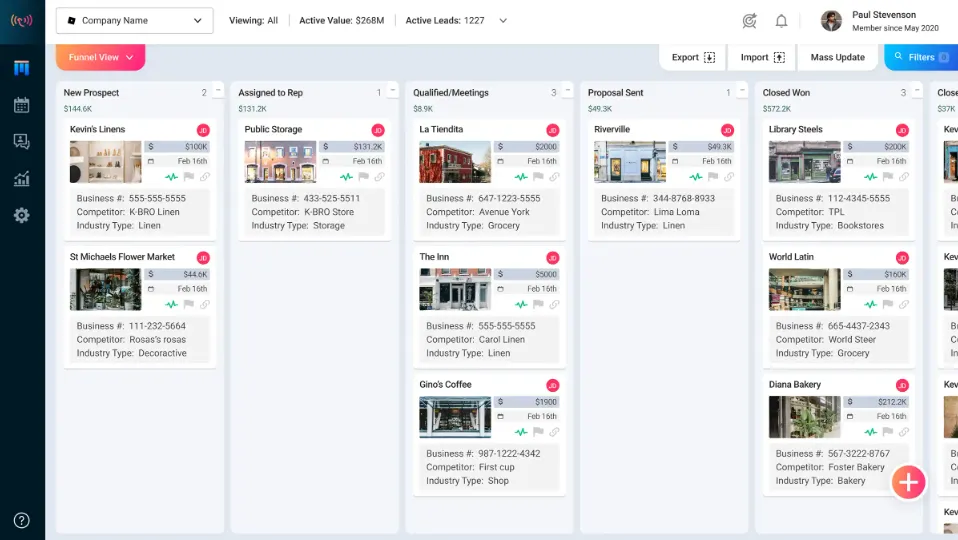
Running a dumpster rental business involves more than delivering containers and collecting payments. Business owners must manage customer inquiries, prepare quotes, schedule deliveries, coordinate pickups, track container availability, and ensure invoices accurately reflect rental terms.
When these activities are handled through separate spreadsheets, emails, and manual processes, important details can be missed. Customers may experience delayed responses, containers may be assigned incorrectly, and additional rental charges may go unrecorded.
Dumpster rental CRM software helps businesses centralize customer relationships and connect sales activities with the operational workflow of renting, delivering, tracking, and collecting containers. The right solution can improve organization, customer communication, and visibility into daily operations.
This guide explains what dumpster rental CRM software does, which features matter most, and how rental businesses can choose and implement a suitable system.
What Is Dumpster Rental CRM?
Dumpster rental CRM is customer relationship management software designed to help dumpster rental companies manage leads, customer records, quotations, bookings, communication, and follow-up activities.
Unlike a general-purpose CRM, a specialized dumpster rental solution may also connect customer information with container inventory, rental periods, delivery schedules, pickup requests, dispatch, and billing.
These capabilities are particularly valuable for roll-off dumpster businesses that serve contractors, construction companies, homeowners, property managers, and commercial customers.
How Dumpster Rental CRM Works
A typical dumpster rental workflow begins when a prospective customer requests a quote through a website, phone call, email, or other communication channel.
The business records the customer's details, confirms the service location and container requirements, prepares a quote, and schedules the delivery after the customer accepts the offer.
The CRM can then help coordinate subsequent activities, including:
- Recording customer information and previous rental history.
- Managing quotes and following up on pending opportunities.
- Checking container availability and rental dates.
- Coordinating deliveries, swaps, extensions, and pickups.
- Recording customer requests and driver updates.
- Tracking invoices, payments, and outstanding balances.
- Encouraging repeat bookings and long-term customer relationships.
The primary goal is to keep customer information connected to the rental activity, reducing manual work and making the entire customer journey easier to manage.
Why Dumpster Rental Businesses Need CRM Software
Dumpster rental businesses often manage multiple containers, job sites, delivery windows, and rental agreements simultaneously. A dedicated CRM can help coordinate these moving parts while maintaining accurate customer records.
Better Lead and Quote Management
Every inquiry represents a potential business opportunity. Without a consistent tracking process, quotes can remain unanswered and prospects may choose a competitor.
CRM software helps teams record incoming requests, assign responsibility, schedule follow-ups, and identify which marketing channels generate customers.
Improved Container and Rental Visibility
A customer record alone cannot show whether a particular container is available for a new rental. Businesses also need reliable information about container size, current location, rental status, and expected return dates.
When CRM connects with inventory management, dispatch, and scheduling, employees can make more informed booking decisions.
More Accurate Billing
Rental agreements may include a fixed rental period, weight allowances, disposal fees, extension charges, or additional service fees.
Connecting rental information with billing helps employees review these details before issuing invoices. It can also reduce the risk of missed charges and billing disputes.
Stronger Customer Relationships
Contractors and commercial customers may rent dumpsters repeatedly throughout the year. Maintaining a record of previous orders, site instructions, preferred container sizes, and communication history makes future transactions easier.
A well-organized dumpster rental CRM helps businesses respond faster, reduce avoidable errors, and create a smoother experience for repeat customers.
Essential Features of Dumpster Rental CRM Software
The right features depend on the size of the operation, the number of containers, and the complexity of its rental workflow.
Customer and Lead Management
A CRM should maintain organized customer profiles, contact details, job-site addresses, previous rentals, and communication history.
Useful capabilities include lead assignment, follow-up reminders, customer segmentation, and tracking the outcome of each quote.
Quote and Online Booking Management
Online booking tools can help customers request or schedule rentals without waiting for office staff to manually process every inquiry.
A suitable system should support quote preparation, container-size selection, service-area checks, rental dates, and booking confirmations where applicable.
Dispatch and Scheduling
Dispatch features help office staff coordinate deliveries, pickups, swaps, and other service requests.
A shared dispatch board can improve visibility into driver assignments, job priorities, and schedule changes. Driver applications may also provide status updates and delivery photographs.
Container Inventory Tracking
Container tracking helps businesses determine which units are available, deployed, awaiting pickup, or undergoing maintenance.
Ideally, every container should have a unique identifier and a clear status. This becomes increasingly important as a business expands its fleet.
Invoicing and Payment Management
Rental management software should connect completed jobs with billing information whenever possible.
Depending on the platform, this may include rental extensions, excess-weight charges, disposal fees, additional trips, online payments, and accounting integrations.
Reporting and Analytics
Reporting helps owners monitor business performance and identify operational problems.
Important reports include quote conversion, revenue by container size, outstanding invoices, repeat customer activity, container utilization, and delivery performance.
Match the Software to Business Size
A small operator with a limited fleet may need straightforward booking, customer management, scheduling, and invoicing.
A larger operation may require multiple dispatchers, advanced routing, container-level tracking, accounting integrations, and detailed reporting across several locations.
Compare Specialized and General CRM Systems
A general CRM may be sufficient when a company primarily needs lead tracking and customer communication.
However, if the business requires container availability, rental-day calculations, swap scheduling, and dispatch integration, a specialized dumpster rental platform may be a better fit.
Businesses should test realistic scenarios during demonstrations, such as extending a rental, replacing a full container, changing a delivery date, and applying an additional disposal charge.
The best solution connects customer management with the operational tasks that determine whether a rental is delivered, completed, and billed correctly.
Best Practices for Implementing Dumpster Rental CRM
Successful implementation requires accurate information, clear processes, and employee participation.
Organize Existing Customer Data
Before importing records, businesses should remove duplicate contacts, correct outdated details, and standardize customer and job-site information.
Container identifiers, sizes, availability statuses, and existing rental commitments should also be reviewed before they are entered into the new system.
Standardize the Rental Workflow
Businesses should establish a consistent process for handling inquiries, preparing quotes, confirming bookings, delivering containers, processing extensions, and completing pickups.
Clear procedures make it easier for employees to understand their responsibilities and reduce missed handoffs.
Train Office Staff and Drivers
Office staff should learn how to manage customer records, quotes, schedules, and invoices. Drivers may need training on mobile job updates, delivery confirmation, photographs, and reporting service exceptions.
Training should reflect the actual tasks each employee performs.
Monitor Performance and Improve Processes
After implementation, managers should review whether the CRM improves response times, reduces billing errors, and makes scheduling more reliable.
Feedback from employees can reveal unnecessary steps or missing information that should be addressed.
Common Dumpster Rental CRM Mistakes to Avoid
Several mistakes can reduce the value of a CRM implementation:
- Choosing generic software without checking rental requirements: Contact tracking alone may not handle container availability or rental extensions.
- Ignoring data accuracy: Incorrect container statuses can lead to scheduling conflicts.
- Overlooking additional charges: Rental periods, disposal fees, and other billable events must be recorded consistently.
- Failing to train employees: Inconsistent use creates gaps in customer and operational records.
- Buying unnecessary features: Businesses should prioritize capabilities that address real operational needs.
- Neglecting integrations: Disconnected booking, dispatch, and accounting processes can recreate the manual work the CRM was intended to eliminate.
A gradual rollout, clear procedures, and regular reviews can help businesses avoid these problems.
Frequently Asked Questions About Dumpster Rental CRM
What is dumpster rental CRM software?
Dumpster rental CRM software helps rental businesses manage customer information, leads, quotes, bookings, communication, and follow-ups. Specialized platforms can also connect these records with dispatch, container tracking, rental schedules, and billing.
How is dumpster rental CRM different from a regular CRM?
A regular CRM primarily manages customer relationships and sales opportunities. A dumpster rental CRM may also support operational requirements such as container availability, deliveries, pickups, rental extensions, and rental-specific charges.
Can dumpster rental CRM software track containers?
Some platforms support container-level tracking through unique identifiers, rental statuses, assigned job sites, and availability records. Businesses should verify whether a platform also offers GPS or other location-tracking capabilities if those features are required.
Does dumpster rental CRM help increase revenue?
It can help by improving quote follow-ups, reducing missed bookings, supporting repeat rentals, and making additional charges easier to identify. Actual results depend on adoption, pricing practices, customer demand, and operational execution.
How much does dumpster rental CRM software cost?
Pricing varies by provider, fleet size, user count, and available features. Some platforms offer free plans, while others charge monthly subscriptions, per-truck fees, or customized rates. Businesses should compare the full cost, including payment processing, integrations, onboarding, and optional services.
Conclusion
Dumpster rental CRM software can help businesses manage customer relationships while improving the coordination of bookings, containers, deliveries, pickups, and billing. By connecting these activities, companies can reduce administrative friction and maintain better visibility into their rental operations.
The most effective solution depends on fleet size, customer volume, operational complexity, and budget. Small operators may benefit from a simple platform, while growing businesses may require specialized inventory tracking, dispatch, and billing capabilities.
Ultimately, a successful dumpster rental CRM strategy combines accurate customer data, efficient workflows, reliable operational tracking, and consistent follow-up to support better service and sustainable business growth.
Related Reading
Expert Insights: Navigating the Complex World of Software Development
Welcome to our in-depth exploration of Software Development. In an era defined b...
Top 10 Hidden Secrets About Software Development You Need to Know
Welcome to our in-depth exploration of Software Development. In an era defined b...