15 Yard Dumpster Rental: Choosing the Right Dumpster Size
23 Views
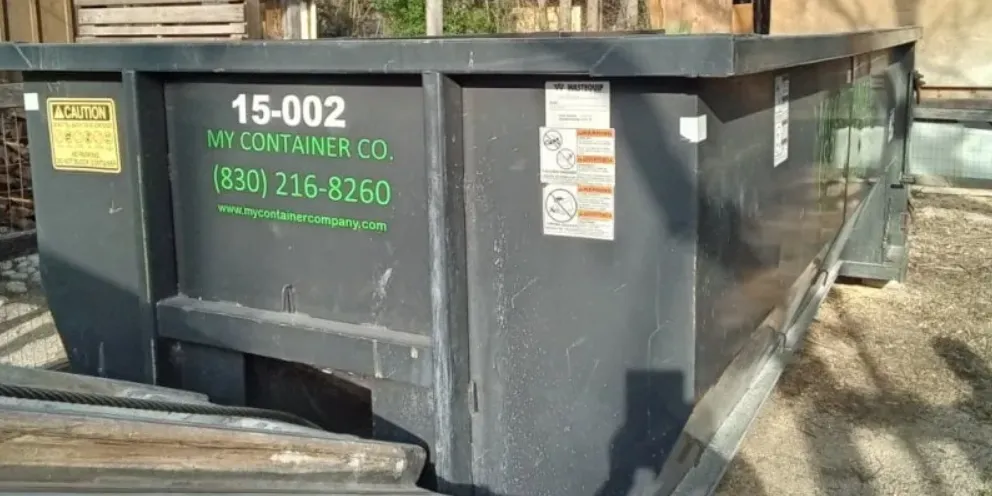
A 15 yard dumpster rental provides 15 cubic yards of disposal capacity, equal to approximately 405 cubic feet of usable volume. It is designed for projects that generate more waste than a small container can handle but do not require a large construction dumpster.
The exact dimensions vary between providers and container designs. Common configurations include approximately 14–16 feet long, 7.5–8 feet wide, and 4–4.5 feet high. Some containers use different proportions while maintaining the same 15-cubic-yard capacity.
A 15 yard dumpster rental is often a practical middle-ground option for residential cleanouts, remodeling projects, and moderate amounts of construction debris.
How Much Can a 15 Yard Dumpster Hold?
Capacity depends on the container design and the type of material being discarded. Some providers compare a 15-yard container with roughly 4.5 pickup truck loads, while others estimate as many as six or more loads.
The difference comes from how much material each truck or container can carry and whether the waste is bulky, compact, or particularly heavy.
Typical projects include:
- Garage or basement cleanouts
- Multi-room household cleanouts
- Bathroom renovations
- Kitchen remodeling
- Flooring removal
- Deck or shed demolition
- Moderate roofing projects
- Furniture and household junk removal
- Seasonal property cleanups
15 Yard Dumpster Dimensions and Capacity
Typical Dimensions
There is no single universal dimension for a 15-yard dumpster. Container manufacturers and rental companies may use different heights and lengths while maintaining approximately the same volume.
Specification Typical RangeCapacity15 cubic yards Cubic-foot capacity About 405 cubic feet Length Approximately 14–16 feet Width Approximately 7.5–8 feet Height Approximately 4–4.5 feet Pickup-load equivalent Roughly 4.5–8 loads, depending on container and material Typical rental period About 7–10 days, with some providers offering longer periods
Because dimensions differ, the actual container specifications should be confirmed before scheduling delivery, especially when driveway space or property access is limited.
Why the Height Matters
A relatively low container can make loading easier because materials can often be placed over the side without requiring excessive lifting.
This can be particularly useful when disposing of furniture, flooring, branches, drywall, or other bulky items. Some 15-yard containers also feature rear doors that make loading easier for heavier or awkward materials.
What Projects Are Best for a 15 Yard Dumpster?
Home Cleanouts
A 15-yard dumpster can provide enough capacity for a substantial garage, basement, attic, or multi-room cleanout.
It can accommodate furniture, boxes, household clutter, old fixtures, and other permitted household materials without immediately requiring a larger construction container.
Kitchen and Bathroom Remodeling
Small and medium remodeling projects frequently produce a mixture of cabinets, flooring, drywall, fixtures, and other debris.
A 15-yard container can be a suitable choice when the renovation involves one or several rooms but does not generate extremely large quantities of structural debris.
Roofing Projects
Roofing debris can become surprisingly heavy, so dumpster selection should consider both volume and weight.
A 15-yard dumpster may work well for moderate roofing jobs, but the rental provider should confirm the allowed roofing material and weight limit before delivery.
Deck, Shed, and Small Demolition Projects
Removing a small deck, shed, fence, or similar structure can create a large amount of bulky debris.
The container's relatively low profile can make it easier to load wood and other demolition materials while keeping the project area organized.
How Much Does a 15 Yard Dumpster Rental Cost?
Pricing varies considerably based on location, rental duration, material type, weight allowance, disposal fees, and local market conditions.
Current published pricing guides commonly place a 15-yard dumpster in a rough planning range of approximately $300 to $550, with some providers reporting an average closer to $600 and substantially wider local ranges.
Cost Factor Potential Effect Rental duration Longer rentals can increase the total Debris weight Excess weight may result in additional charges Material type Heavy materials can require different pricing Delivery distance Longer transportation distances can increase cost Disposal fees Landfill or processing charges may be included or separate Local demand Prices can fluctuate by market Permits Street placement may require additional authorization
The advertised base price should not automatically be treated as the final project cost. A customer should ask what delivery, pickup, disposal, weight allowance, taxes, and rental days are included.
What Materials Can Go Into a 15 Yard Dumpster?
A 15-yard dumpster can generally accommodate many common household, remodeling, and construction materials.
Depending on local rules and the rental agreement, accepted materials may include:
- Household junk
- Furniture
- Cardboard
- Wood
- Drywall
- Flooring
- Roofing materials
- Yard debris
- Small amounts of construction debris
- Appliances that are specifically permitted
However, restrictions vary by provider and jurisdiction.
Materials That May Be Restricted
Certain materials commonly require special handling and should not automatically be placed in a standard dumpster.
Examples include:
- Hazardous waste
- Chemicals
- Liquids
- Batteries
- Tires
- Asbestos
- Certain electronics
- Certain appliances
- Drums or containers holding unknown substances
Checking the accepted-material list before filling the container can prevent rejected loads, additional charges, or disposal problems.
Weight Limits for a 15 Yard Dumpster
Volume is only one part of dumpster selection. Weight can become the more important limitation when a project involves dense materials.
Concrete, brick, dirt, roofing materials, tile, and similar debris can become heavy before the container reaches its full physical capacity.
Some current guides estimate 15-yard dumpsters at approximately 2–5 tons depending on the provider and rental arrangement.
Why Heavy Debris Requires Planning
A customer may have enough physical space remaining in the dumpster but still exceed the permitted weight.
For this reason, projects involving large quantities of concrete, soil, brick, or similar materials should be discussed with the rental provider before ordering.
How to Prepare for Dumpster Delivery
Choose a Suitable Placement Area
The dumpster should be positioned on a stable, reasonably level surface with enough room for delivery equipment.
A driveway is often a convenient option, but the surface must provide adequate access and clearance.
Customers should consider:
- Truck access
- Overhead wires
- Tree branches
- Gates and narrow entrances
- Nearby vehicles
- Building clearance
- Local placement requirements
Some providers recommend substantial clear space for the delivery vehicle, so the required access area should be confirmed before scheduling.
Keep the Area Accessible
The delivery area should remain free from parked vehicles, equipment, loose materials, and other obstacles.
A clear placement area helps reduce delivery complications and allows the container to be positioned safely.
How to Load a 15 Yard Dumpster Efficiently
Proper loading can help maximize available space and reduce the chance of exceeding the container's limits.
Break Down Bulky Materials
Furniture, cabinets, boxes, and other large items can consume unnecessary space when left intact.
Breaking down appropriate materials allows them to fit more efficiently inside the container.
Distribute Weight Evenly
Heavy debris should be distributed across the container rather than concentrated in one location.
This helps maintain better weight distribution during transportation.
Avoid Overfilling
Waste should remain below the container's permitted fill line.
Materials should never be piled above the top of the dumpster simply to gain additional capacity. Overfilled containers may create transportation and safety problems.
15 Yard vs. 10 Yard vs. 20 Yard Dumpster
Choosing between nearby sizes can be easier when the intended project is compared directly.
Feature10 Yard15 Yard20 Yard Capacity Smaller Medium Larger Best for Small cleanouts Medium projects Larger renovations Garage cleanout Good Excellent May be more than needed Bathroom remodel Good Excellent Good Multi-room cleanout Limited Good Excellent Large renovation Limited Moderate Excellent Heavy debris Depends on weight rules Depends on weight rules Depends on weight rules Space requirement Lower Moderate Higher
When a 15 Yard Dumpster Makes Sense
The 15-yard option is particularly useful when a 10-yard dumpster seems too restrictive but a 20-yard container appears unnecessarily large.
It provides additional capacity without automatically moving to one of the larger container sizes.
How to Choose the Right Dumpster Size
The correct size depends on the project's material type, volume, available space, and expected duration.
A useful evaluation process includes:
- Estimate the amount of debris expected from the project.
- Identify the material type, especially if dense debris is involved.
- Compare container dimensions with the available placement area.
- Check the weight allowance before ordering.
- Confirm the rental period and extension policy.
- Review prohibited-material rules.
- Ask whether delivery and disposal charges are included.
If the estimated waste volume is close to the container's maximum capacity, choosing the next size up may provide a useful safety margin.
Ways to Keep 15 Yard Dumpster Rental Costs Under Control
Select the Correct Rental Period
Ordering a container for longer than necessary can increase the final price when extension charges apply.
Estimating the project's schedule before delivery can help control rental duration.
Separate Restricted Materials
Materials that require specialized disposal should be identified before the dumpster arrives.
This can prevent unsuitable items from being mixed with ordinary project debris.
Load Efficiently
Breaking down bulky materials and distributing debris evenly can help make better use of the available space.
Compare the Complete Price
A low advertised rate does not always represent the lowest overall cost.
Customers should compare:
- Base rental price
- Included rental days
- Weight allowance
- Delivery and pickup
- Disposal fees
- Additional-day charges
- Excess-weight rates
Comparing the complete pricing structure is more useful than comparing the headline rental price alone.
Final Thoughts on 15 Yard Dumpster Rental
A 15 yard dumpster rental can be an effective solution for medium-sized residential cleanouts, remodeling projects, roofing work, and smaller demolition jobs.
Its 15-cubic-yard capacity offers a practical balance between compact containers and larger construction dumpsters.
The most important considerations are the project's debris volume, material weight, available placement space, rental period, and total pricing structure. Since dimensions, weight limits, accepted materials, and fees can vary, those details should be confirmed before delivery.
For projects that fall between the capacity of a small dumpster and the requirements of a large construction container, a 15-yard option can provide a convenient and efficient middle-ground solution.
Related Reading
Why Business & Finance is Transforming the Global Industry Landscape
Welcome to our in-depth exploration of Business & Finance. In an era defined...
Expert Insights: Navigating the Complex World of Business & Finance
Welcome to our in-depth exploration of Business & Finance. In an era defined...